Some things are the same all over the world, others differ from family to family, and still others we only know from the country or village where we grew up – like the carol singers who went from house to house in the evenings during Advent. Perhaps the best of these memories of a traditional Christmas in Tirol is that it was always a festive but never a noisy event. This is probably also the reason why many families here still celebrate Christmas the same way they used to.
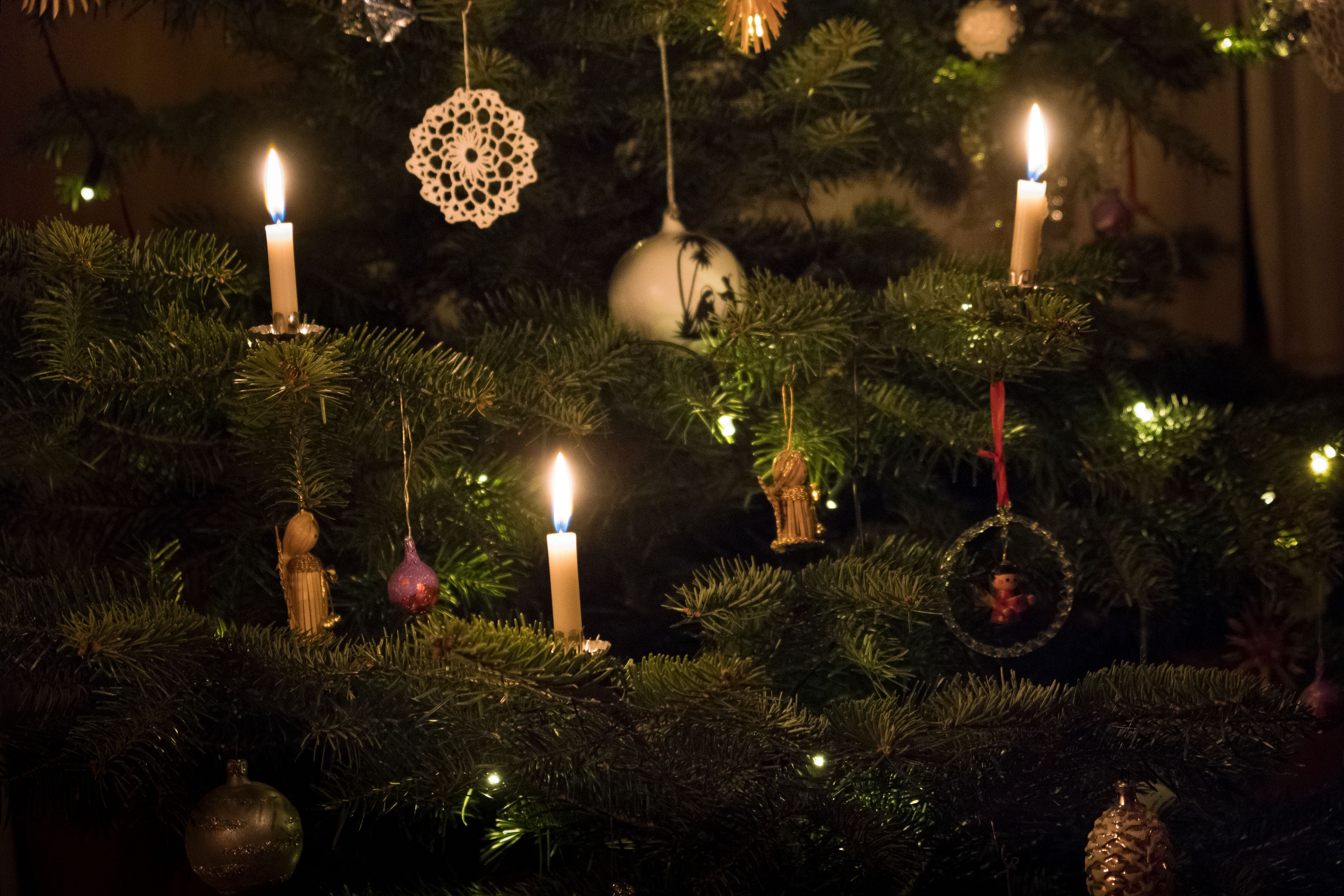
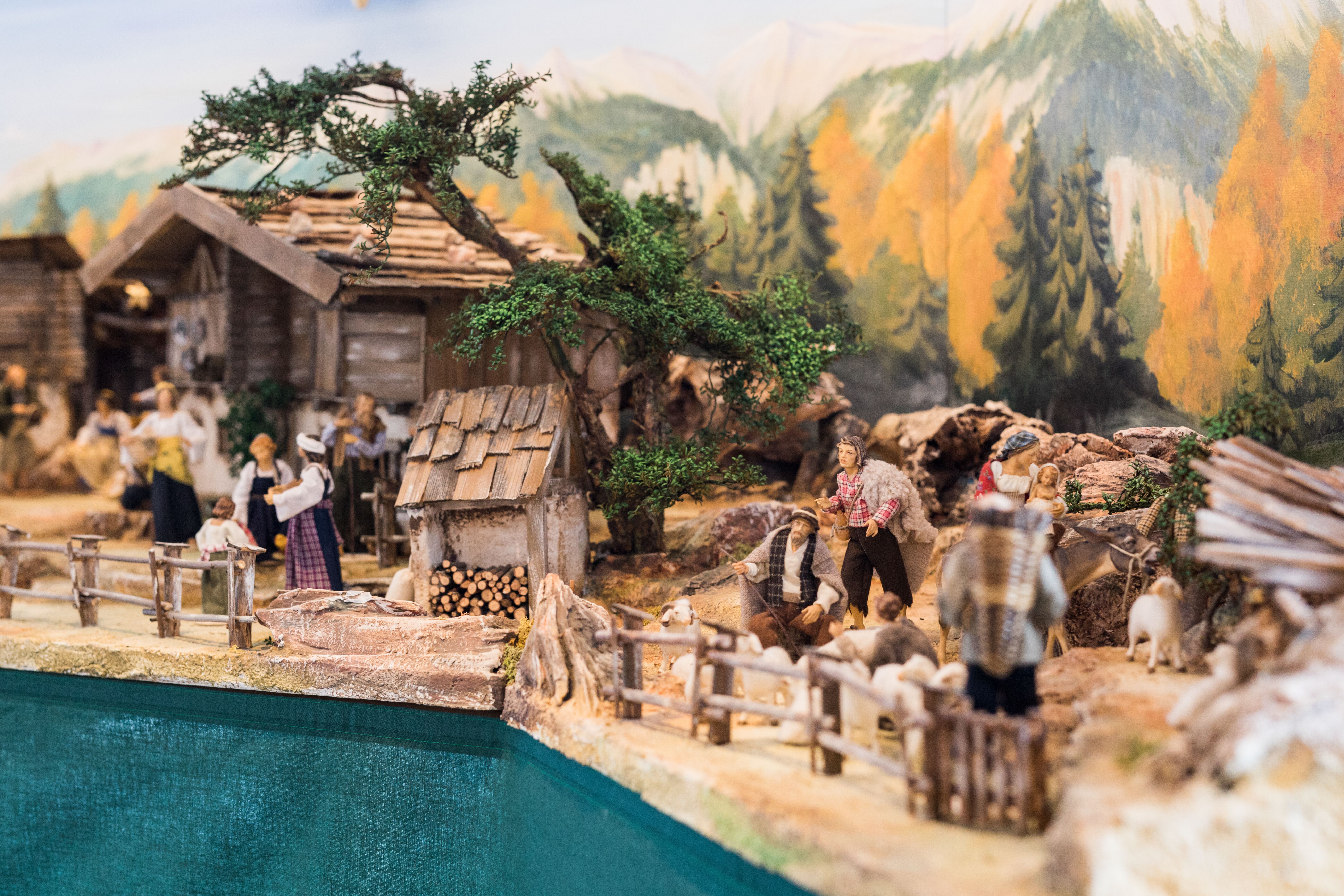
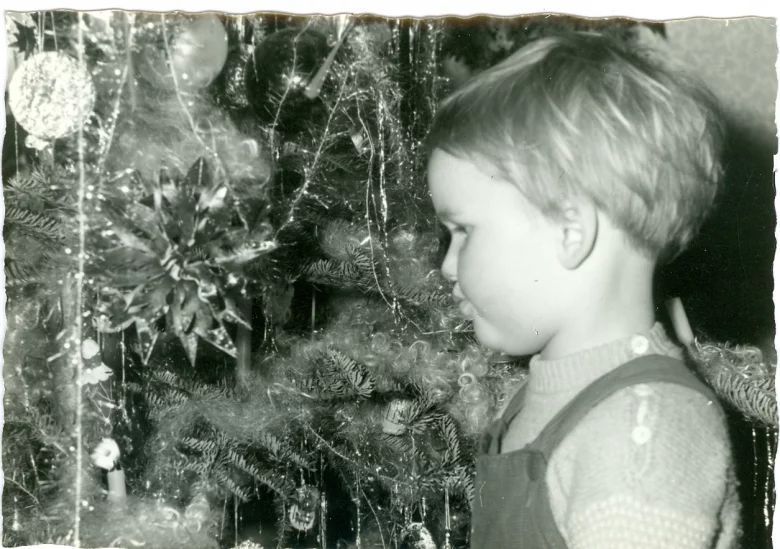
As in many other countries, Christmas in Tirol also includes a Christmas tree, which is traditionally set up and decorated on 24 December in the afternoon – if not with "modern" decorations and sweets, then often with homemade straw stars, gold-coloured nuts and apples. Another "typically Tyrolean" tradition are hand-carved nativity scenes, figurative representations of the birth of Jesus, which are also taken out of their boxes and set up on 24 December. The figures are skilfully carved from wood and passed down from generation to generation. Joseph, Mary, Baby Jesus in the manger, ox, donkey, shepherds, sheep, angels and the star are placed on a mountain, and the Wise Men from the East also appear, albeit not until 6 January. In some villages it is still possible to go from house to house and view the most beautiful nativity scenes.

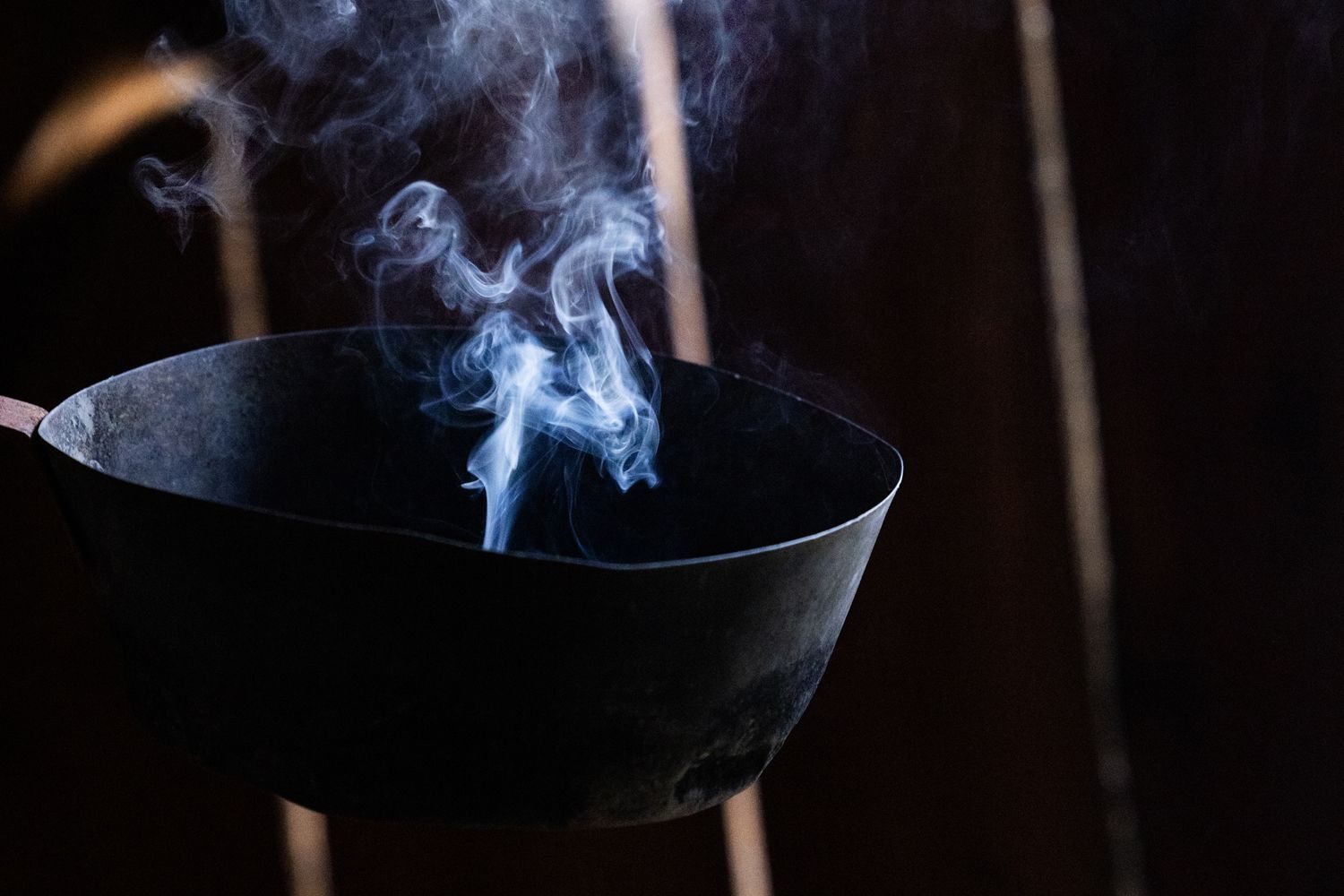
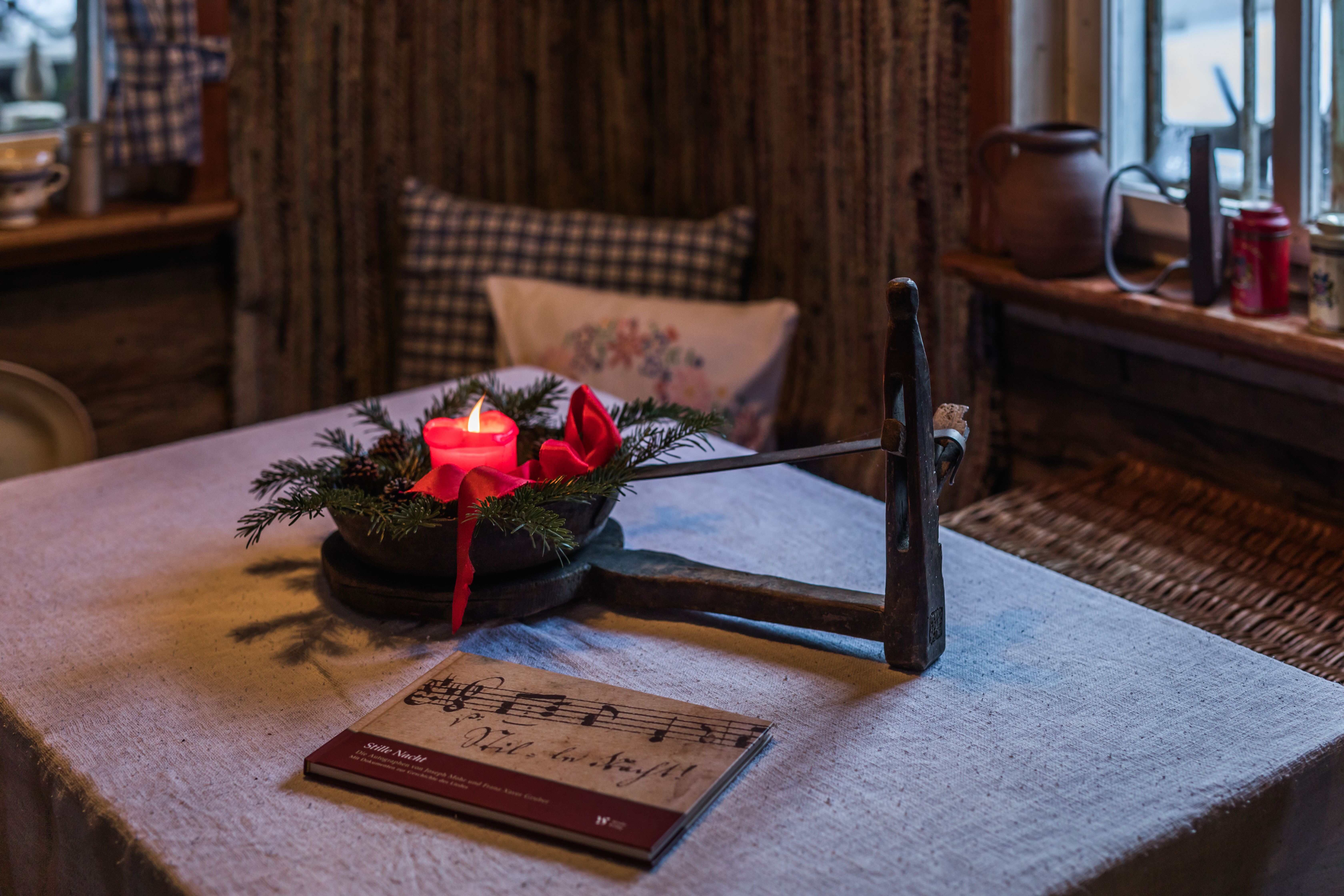
But back to 24 December, the first of what are known here in Austria as the Rauhnächte nights. On this night people make sure that their house is protected from all evil in the coming year by going into every room of the house with burning incense, traditionally frankincense, as they say prayers. A recent tradition – established in 1986 by Austrian national broadcaster ORF – is to bring the “light of peace” into the house, which comes to Austria from Bethlehem and is passed on by fire brigades, the Red Cross and other institutions on 24 December.
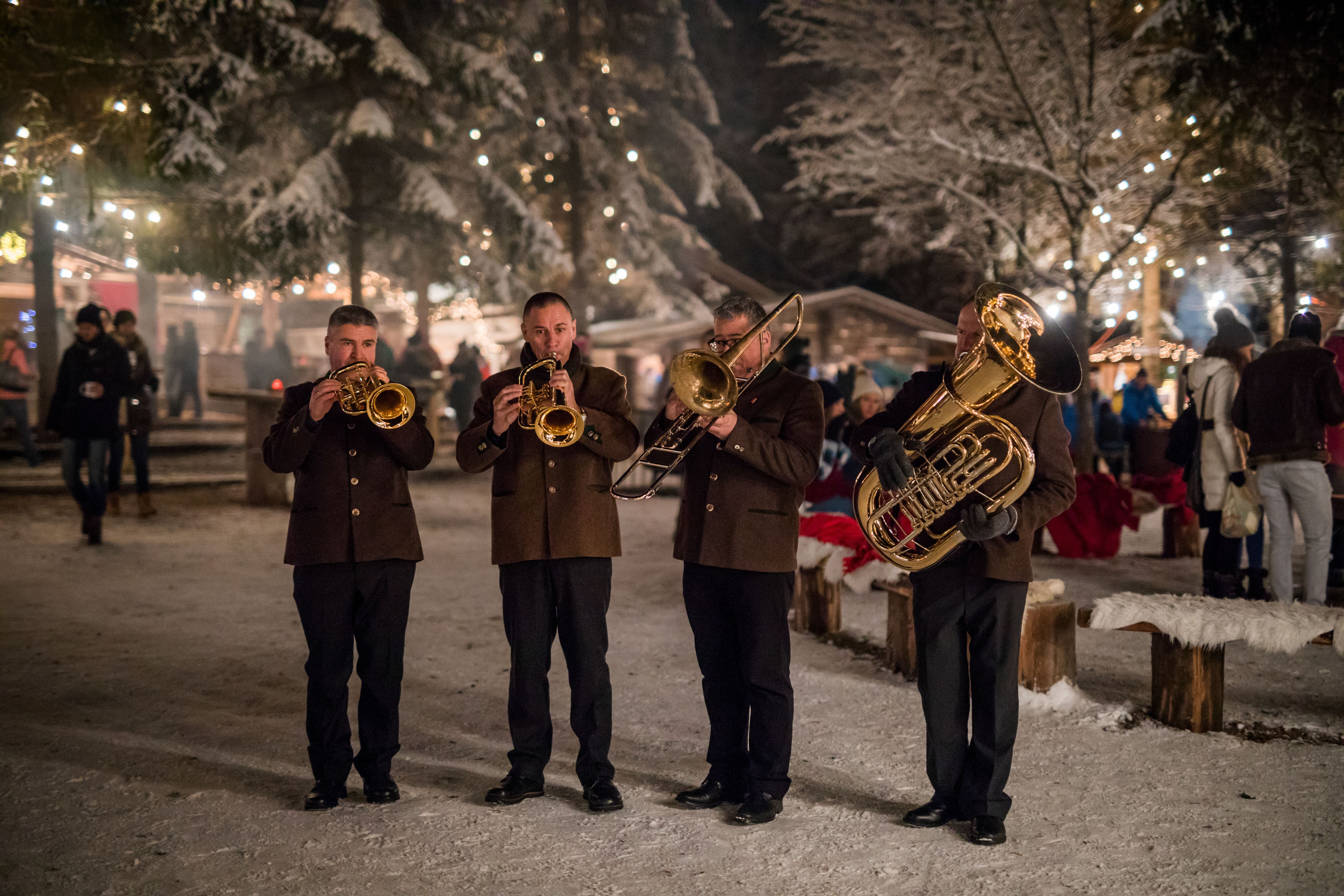
Whether Christmas carols are sung first in the evening, dinner is served or presents are unwrapped – every family celebrates a little differently. What is certain is that the people here in Tirol love their music, which is why they have a wide repertoire of Christmas songs – from the popular and well-known carol Silent Night to Tyrolean or Austrian songs such as the solemn "Andachtsjodler", the jolly "Es hat sich halt eröffnet" and the multi-verse Christmas tale "Gott griaß enk Leitln". The latter ends with a request for "a Tröpfl Schnaps" – “a drop of schnapps” – as a little refreshment against the cold winter nights.
And that brings us to the (festive) food. On Christmas Eve in Tirol it is not a goose or a carp that is served, but instead a hearty soup with noodles and sausages – Frankfurter or homemade pork sausages. In some areas of Tirol people eat “Schmalznudeln”, a kind of fried dish similar to "Kiachl". They are made from yeast dough, fried in clarified butter and have a hollow in the centre for a sweet (cranberry jam or poppy-seed sauce) or savoury (sauerkraut) filling.
Storytime
Christmas is approaching and with it the best holiday of the year for many. But has it always been this way? We asked around to find out how Christmas used to be celebrated.
After enjoying a hearty meal and opening their presents, people go to church at midnight (or earlier in some years) for Christmas mass, a particularly festive Catholic service that is often accompanied by music. Afterwards, all that remains is to have a chat with the neighbours, let the Christmas night fade away and look forward to the rest of the festive season.