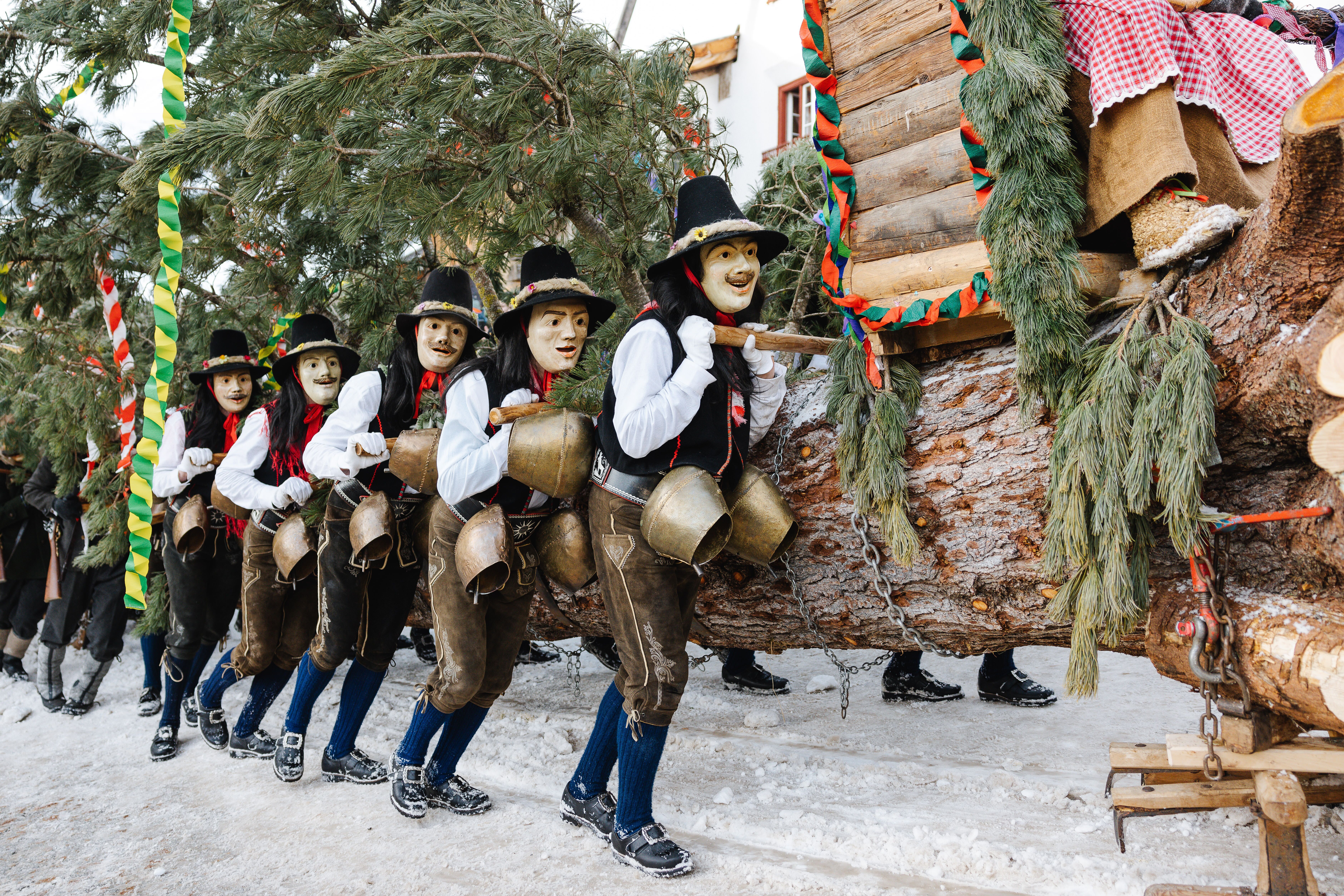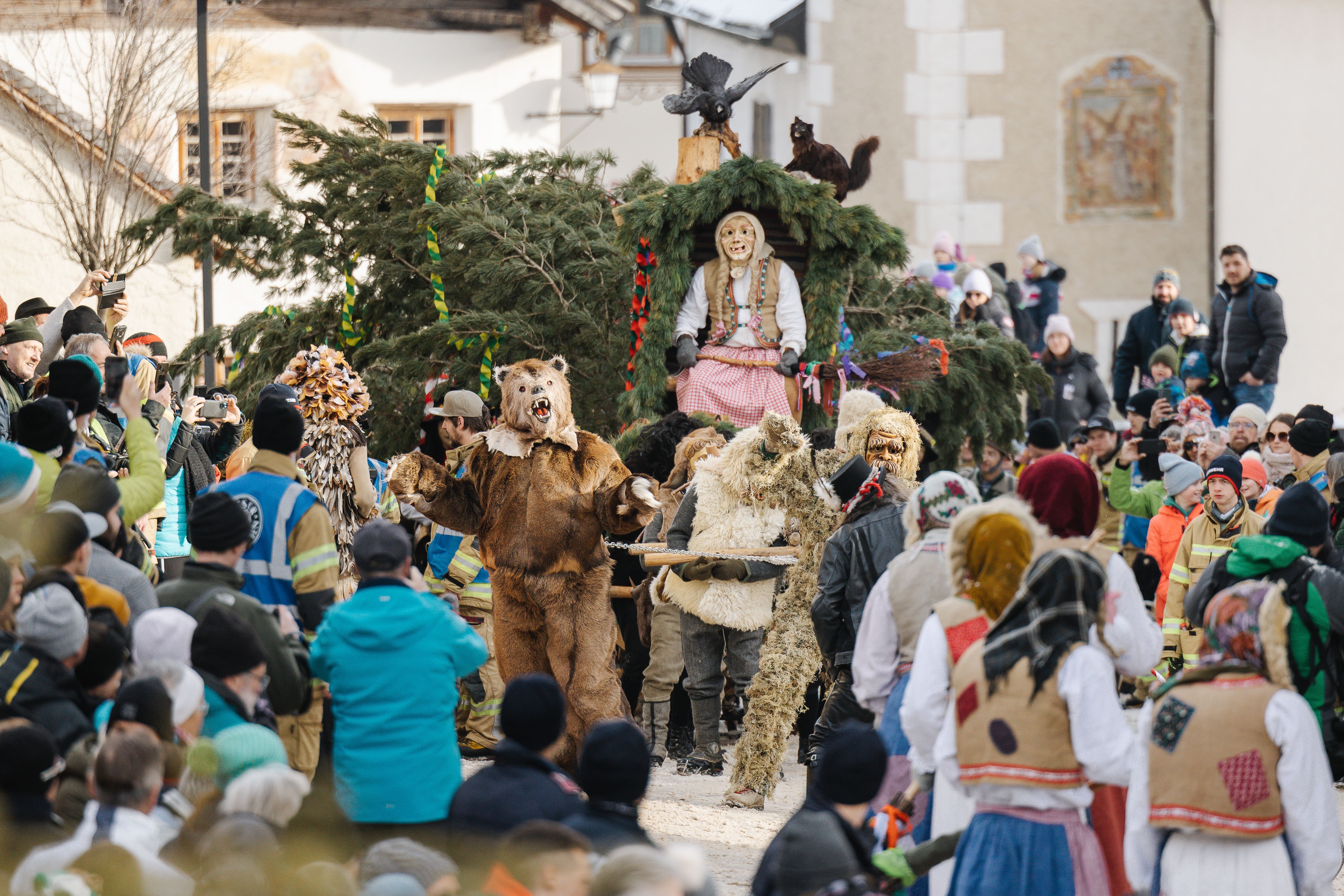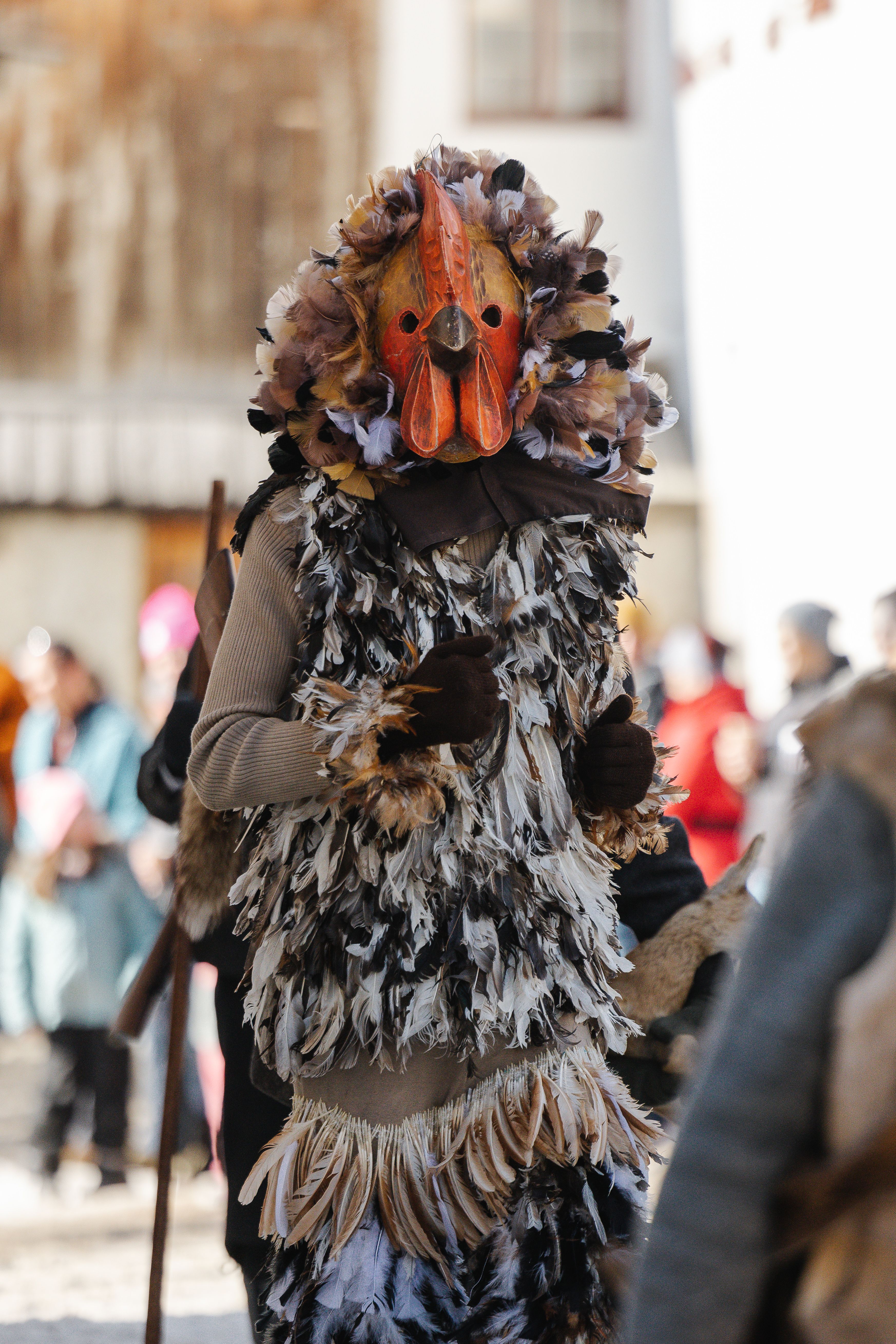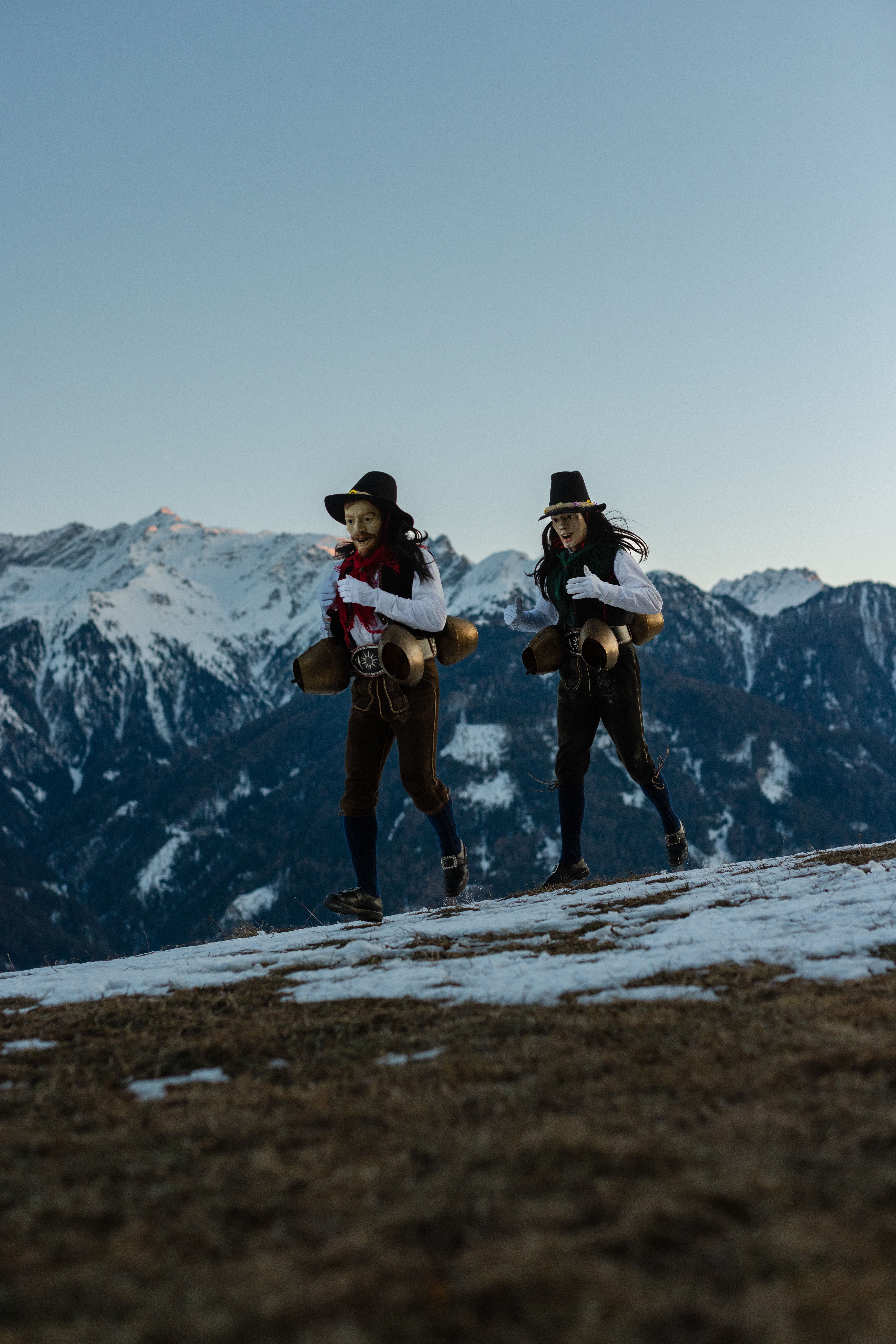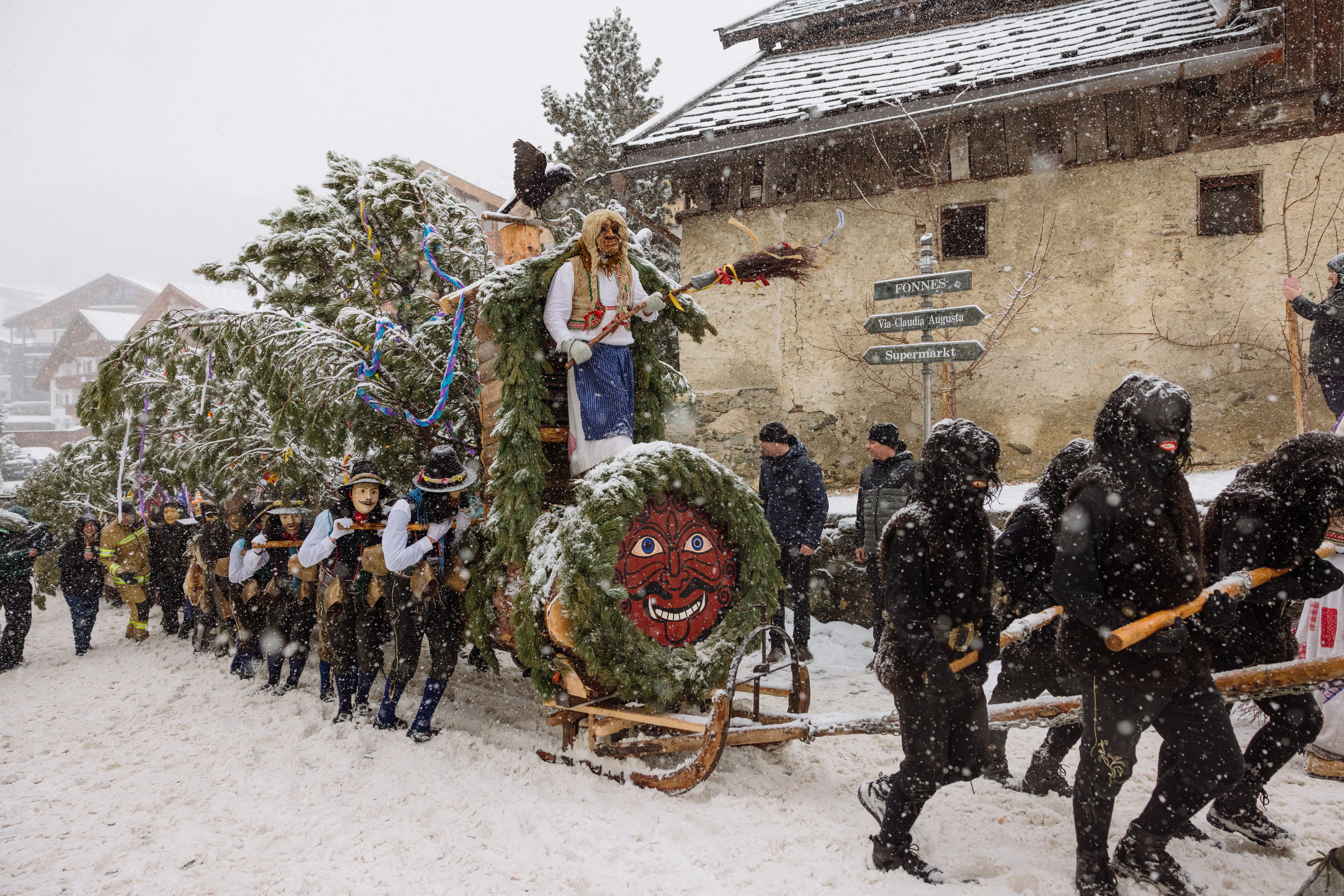
The Bloch symbolically represents a plough that breaks up the earth for sowing, heralding the victory of spring over winter. What is an exciting spectacle today is deeply rooted in pre-Christian fertility rituals. Since 2011, this event has even been officially recognised as an intangible UNESCO cultural heritage site. Every four years, the tradition comes to life in Fiss with full physical vigour.
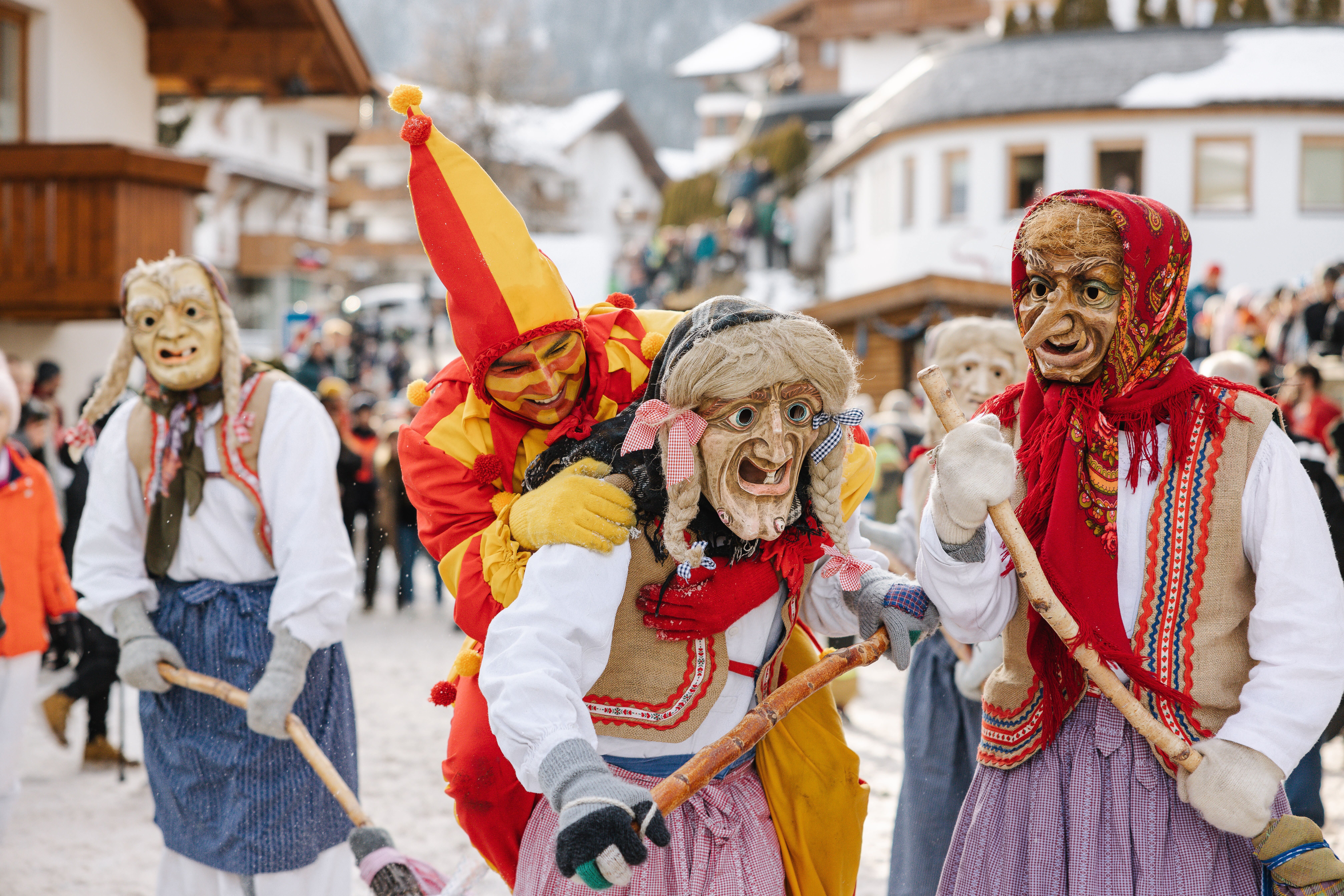
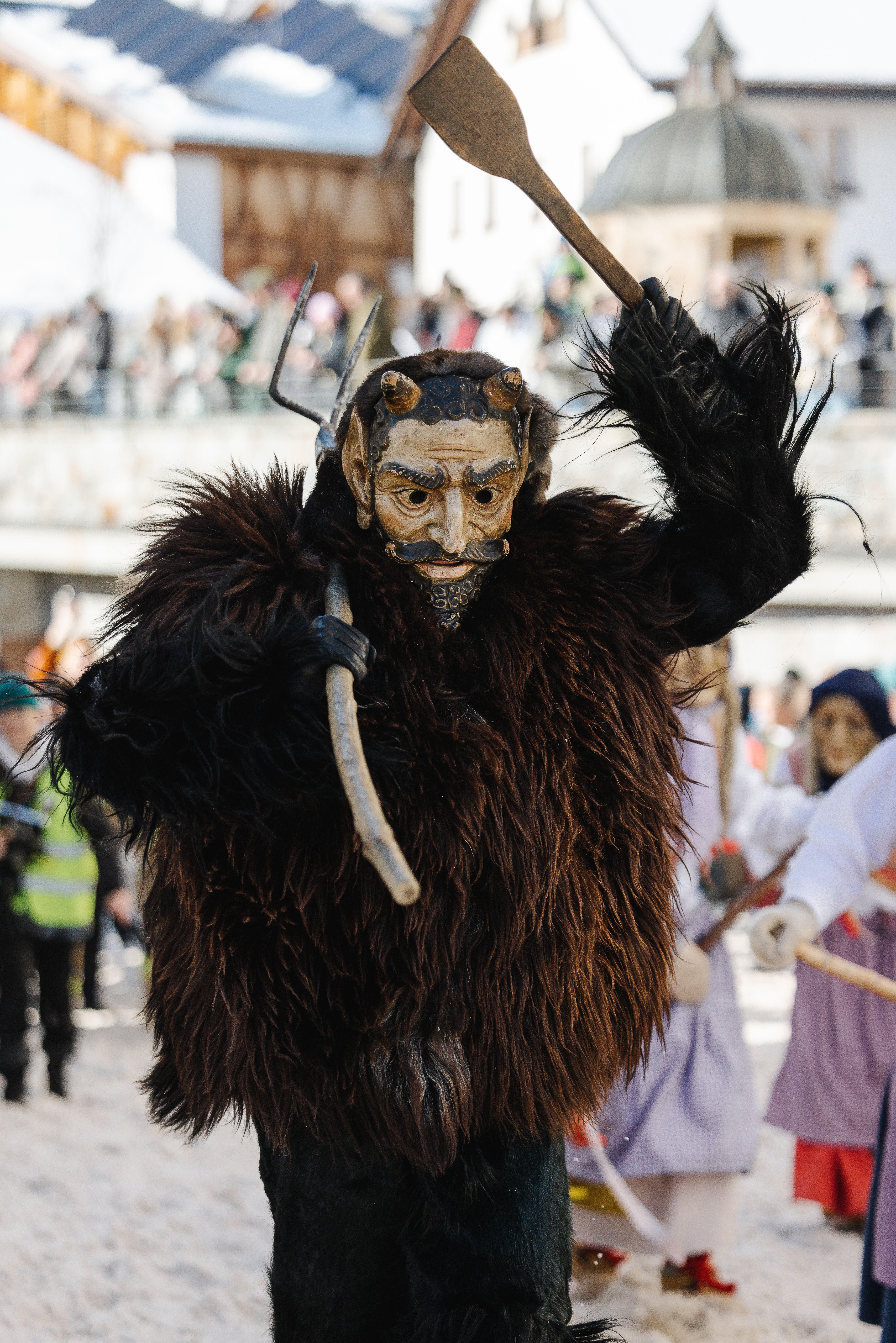
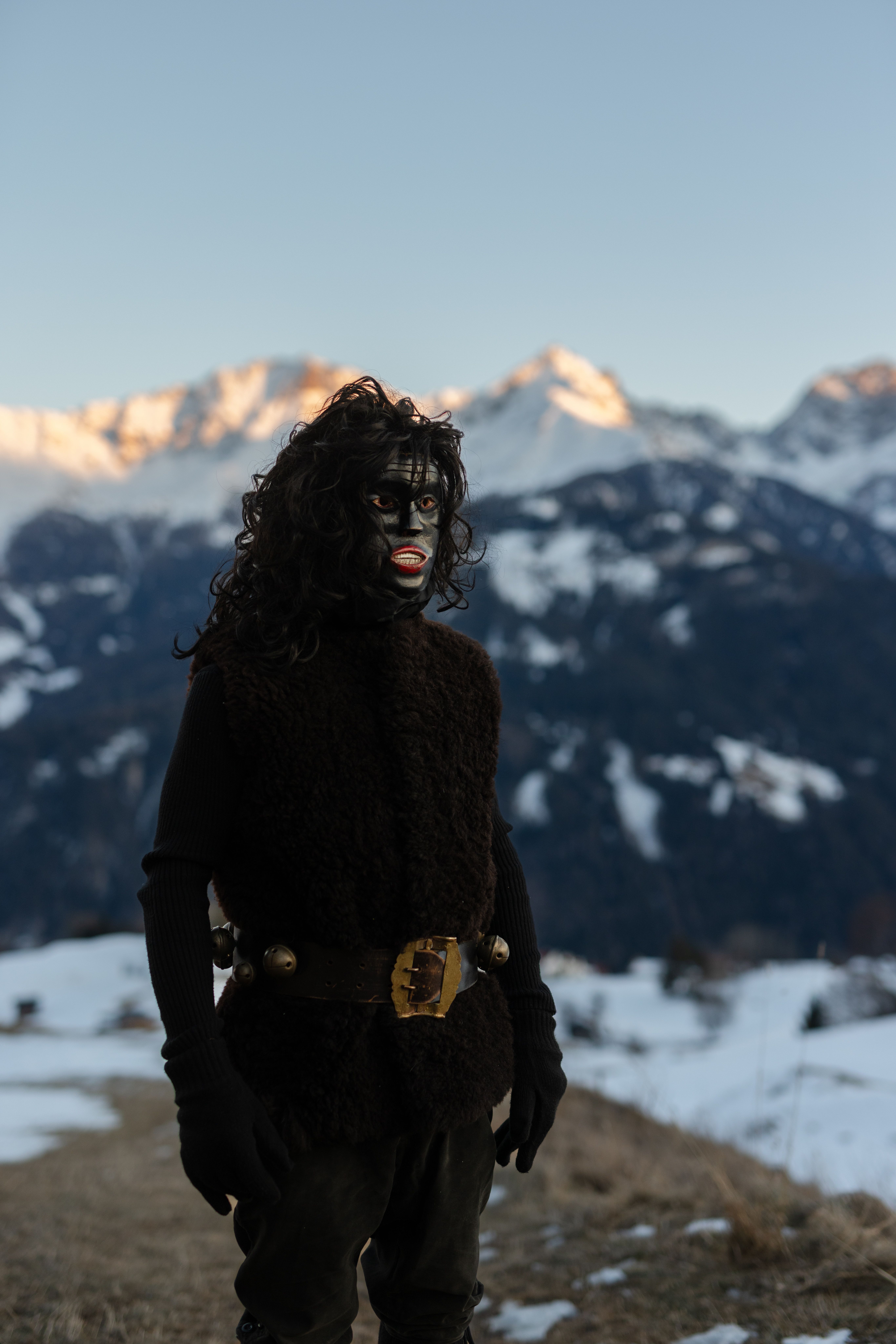
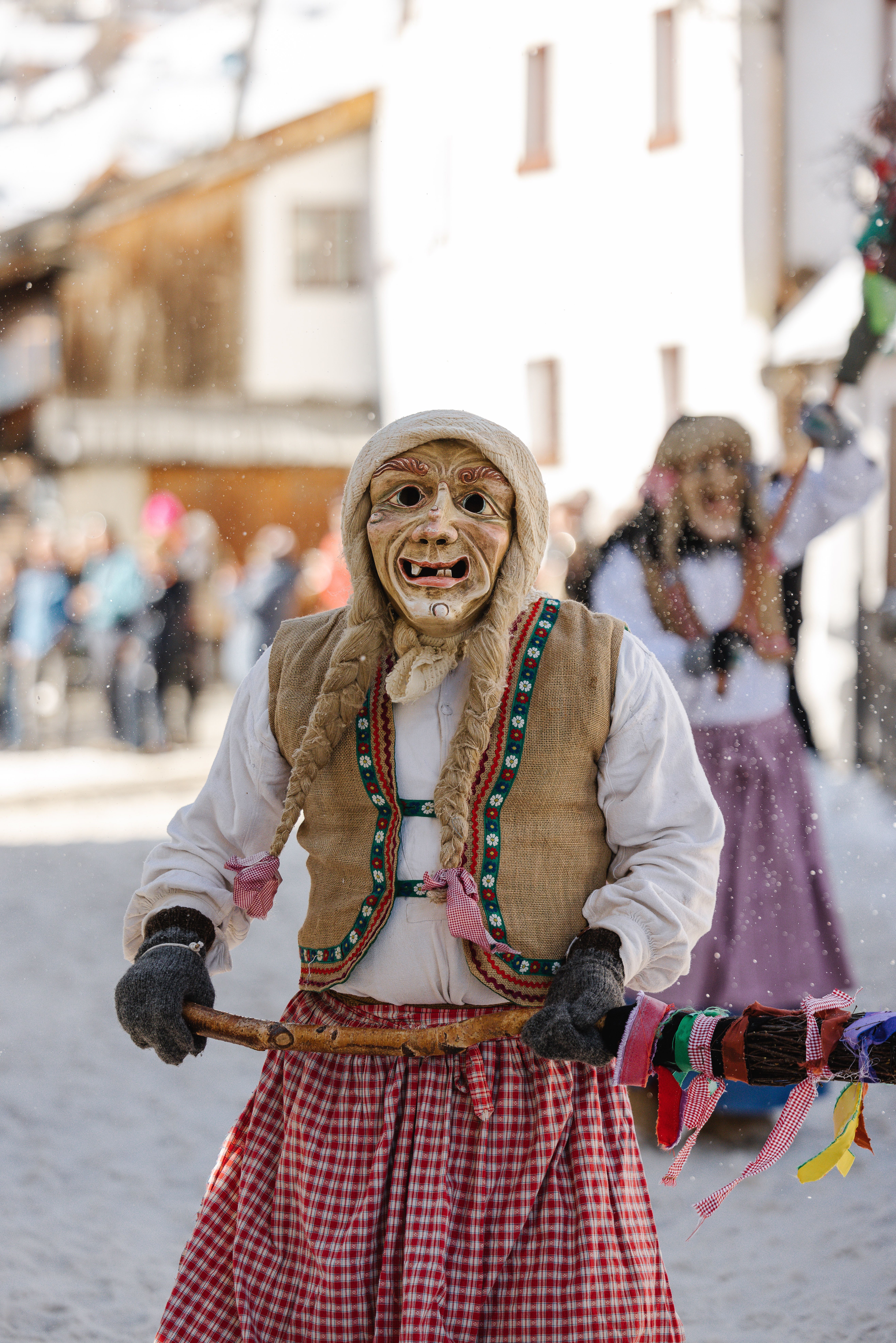
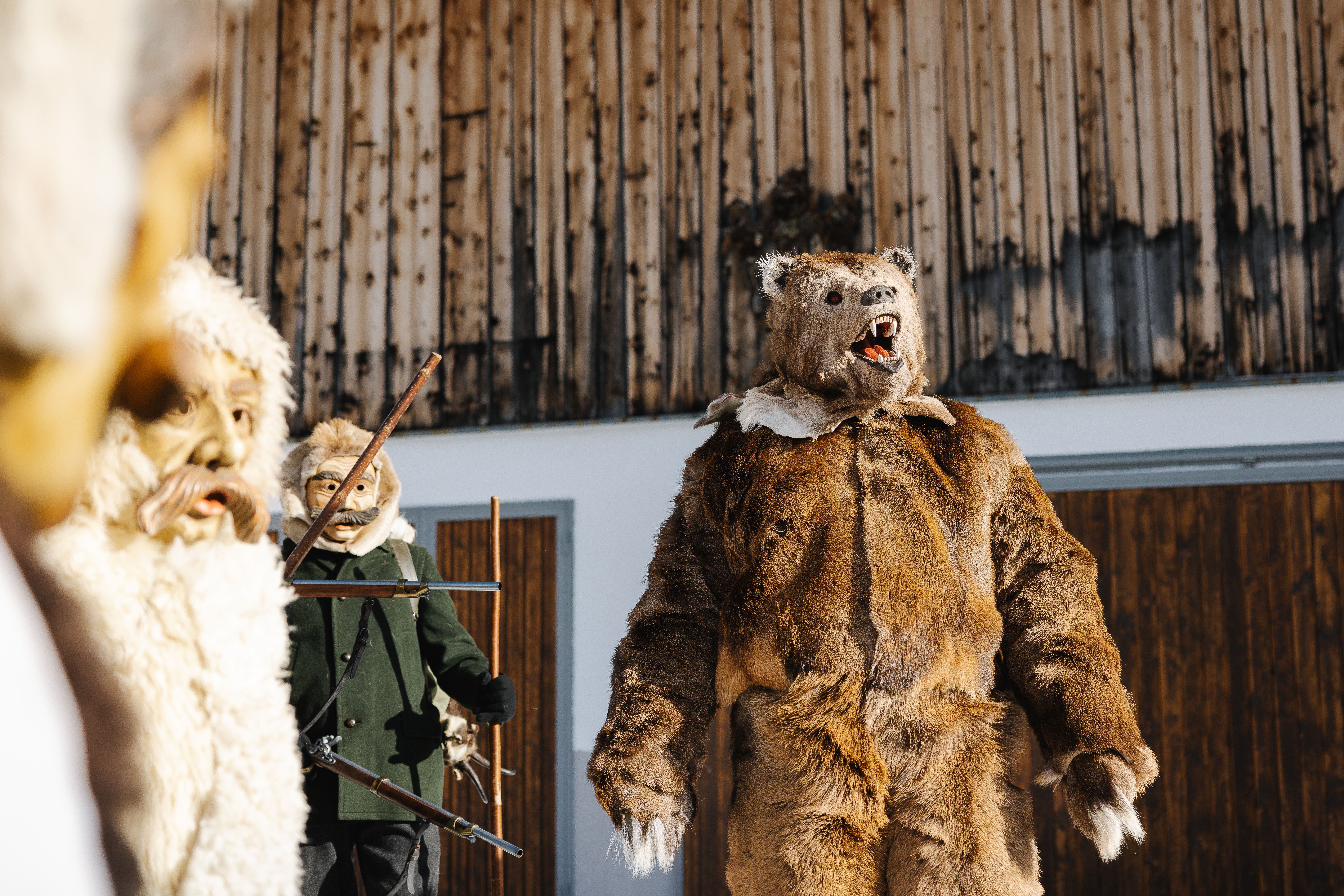
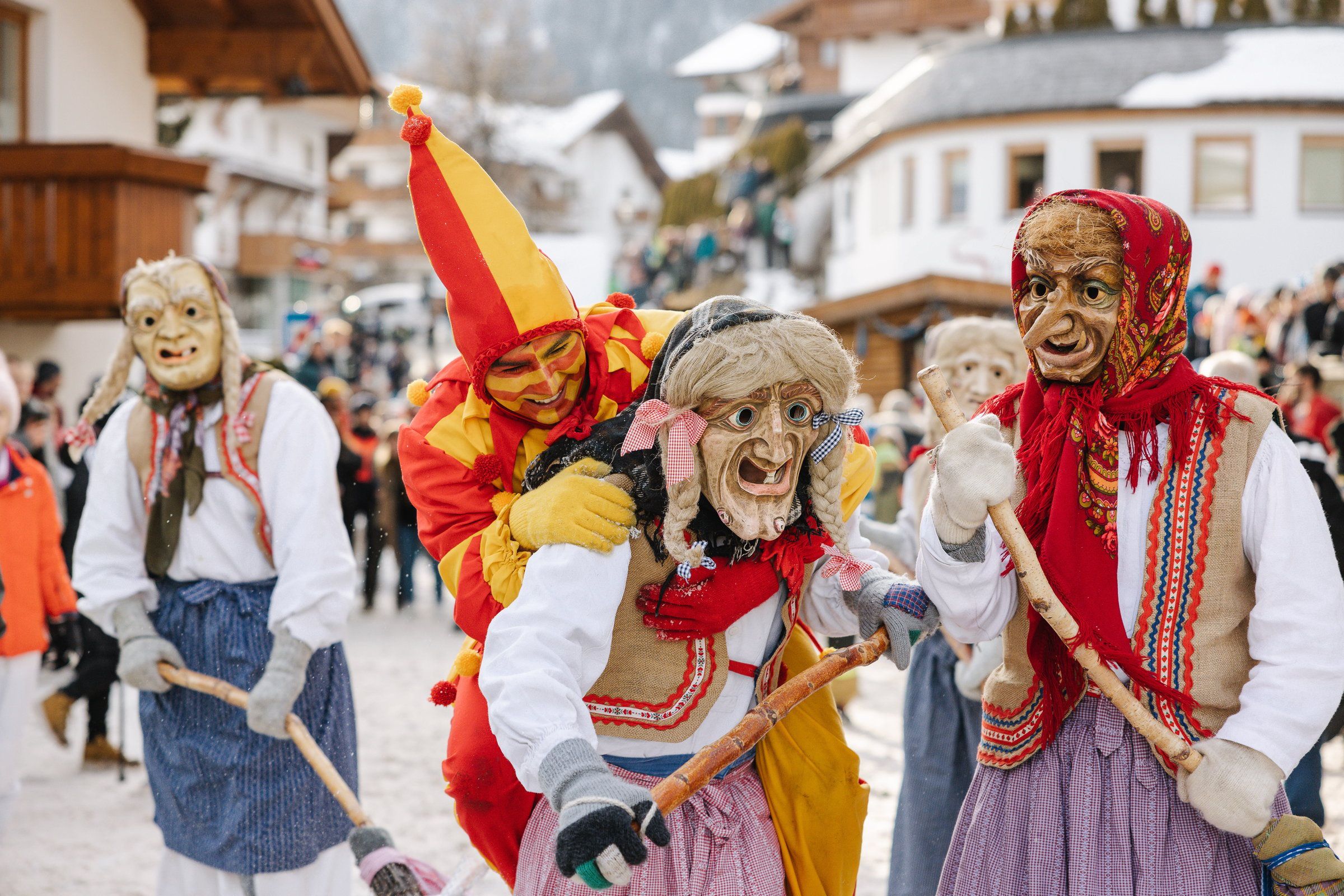
Behind the skilfully carved larvae - as the wooden masks are called here - are roles that have been handed down for generations. It is a game between the seasons, where things can get a little rough.
A special feature in Fiss is the choice of a leading figure: the carnival committee chooses a different mask for each Blochziehen, which characterises the festival as the main role. As the central figure, it gives the colourful hustle and bustle a face and leads the massive procession.
In addition to these leading roles, countless characters from village life populate the streets - from the farmer couple to the travelling grocer and the musicians.
The route through the village is a single, symbolic test of strength. Some are pulling for the coming spring, while devils and witches do everything they can to prevent them from moving on. It is a captivating back and forth that finally reaches its climax in the village square. This is where the mighty stone pine is auctioned off at the end of the day. This makes for exciting bidding wars and welcome proceeds that benefit the village community.
To keep the tradition alive, the children's Blochziehen takes place every four years (two years later than the "big" Blochziehen). Here, the youngest Fiss residents take on the leading role: following the example of the adults, their own "Bloch" is pulled through the village and the children proudly embody the various roles, from Schwoaftuifl to Schallner. This makes it clear from an early age that spring does not come to the village without muscle power.