

Place:Obergurgl
:Restaurant, Bar / Pub
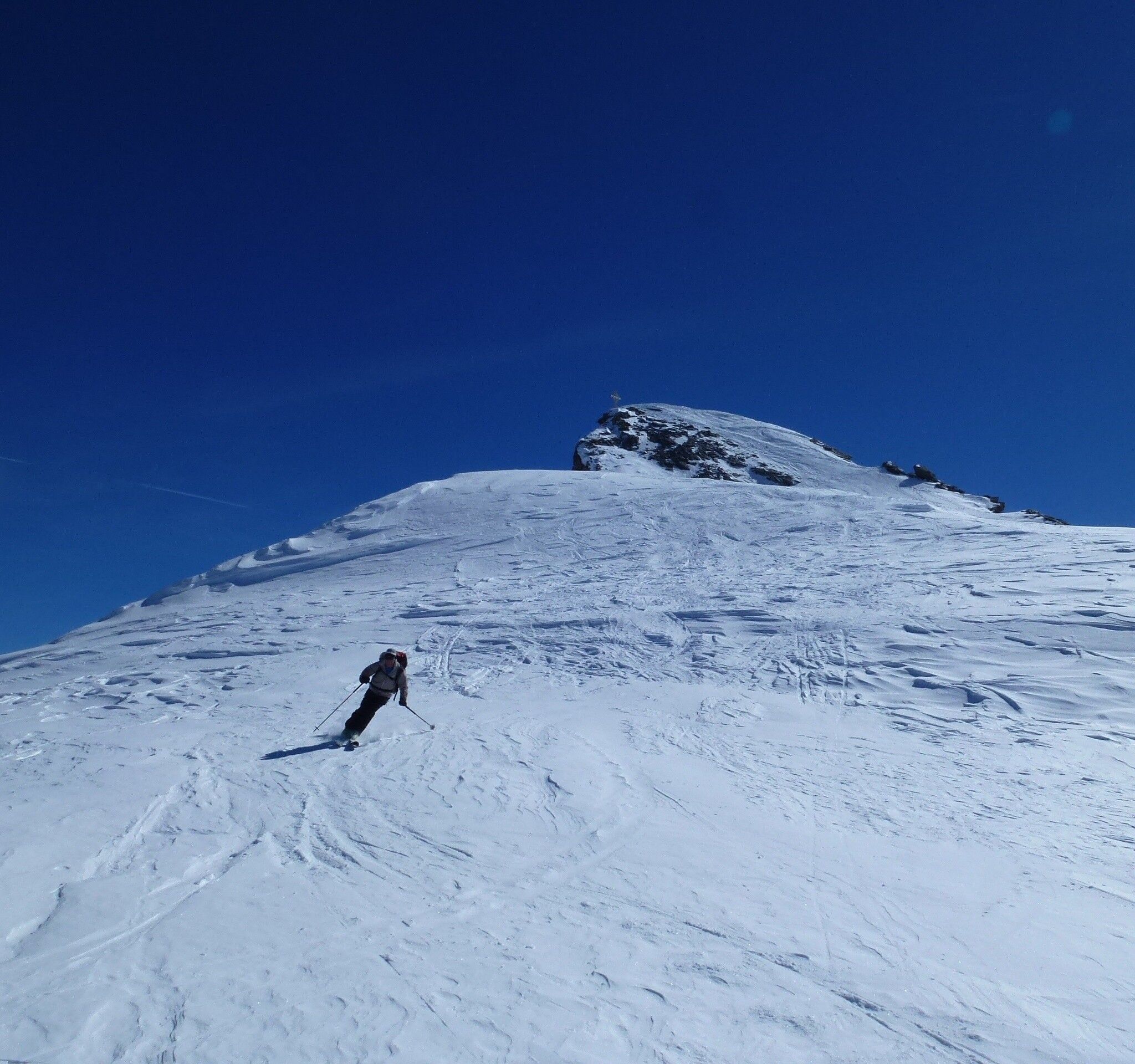
High-alpine crossing, where you can choose between two magnificent descent options.
Avalanche Danger Scale
1 (LOW)
An avalanche release is only possible with a heavy additional load on very few, extreme steep slopes. No spontaneous avalanches (so-called slides) are expected. Generally safe conditions.
2 (MODERATE)
An avalanche release is likely on heavy additional load mainly on the specified steep slopes. Larger avalanches are not expected. The snow cover is generally well consolidated, except on some steep slopes. Cautious route choice on the specified steep slopes and slope exposures.
3 (CONSIDERABLE)
An avalanche release is already likely with a slight additional load mainly on the specified steep slopes. Occasionally, some medium, sporadically also large avalanches are possible spontaneously. The snow cover on many steep slopes is only moderately to poorly consolidated. Experience in avalanche assessment is necessary. Avoid specified steep slopes and slope exposures if possible.
4 (HIGH)
An avalanche release is already possible with a slight additional load mainly on the specified steep slopes. Occasionally, many medium, several large avalanches occur. On many steep slopes, the snow cover is only weakly consolidated. When choosing routes, limit yourself to moderately steep terrain and observe avalanche run-out zones. Much experience in avalanche assessment is necessary.
5 (VERY HIGH)
Numerous large avalanches are expected spontaneously, also in moderately steep terrain. At this warning level, a safe operation in ski areas is no longer possible. The snow cover is generally weakly consolidated and unstable. Avoid tours.
See also at lawine.tirol.gv.at
Recommended Ski Touring Equipment
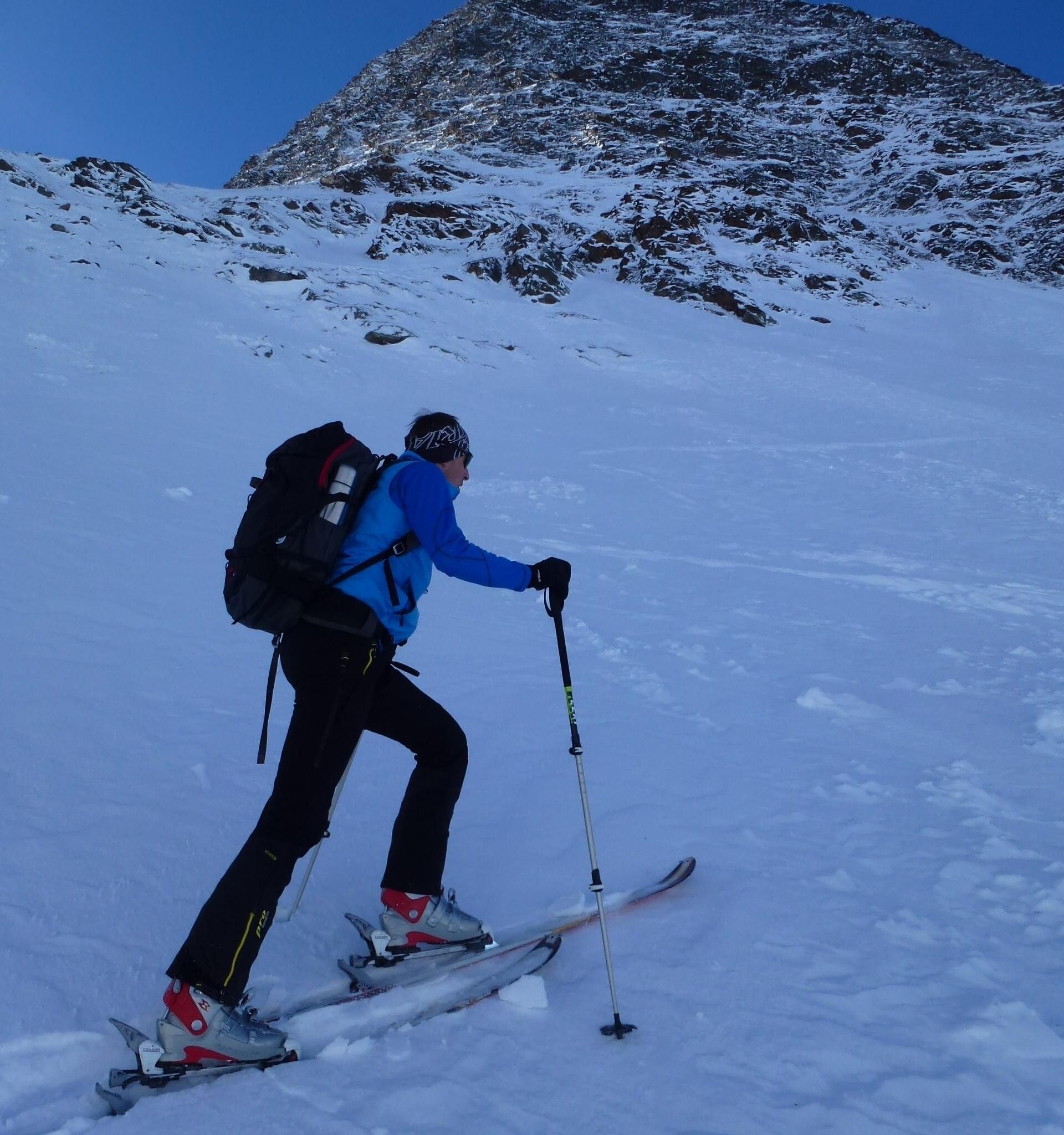
The "normal ski touring equipment" consists of touring skis with touring bindings, telescopic poles, climbing skins, crampons, digital avalanche transceiver, avalanche shovel, avalanche probe, first aid kit, and a mobile phone. A "complete glacier equipment" consists of harnesses, two differently long prusik loops or ascenders, two HMS carabiners, ice axe, crampons, and a rope. A backpack with appropriate contents must be carried, including change of clothing, sun protection, cold protection, provisions, and enough to drink! For hut overnight stays, do not forget to bring hygiene articles and a hut sleeping bag!
DIFFICULTY RATINGS
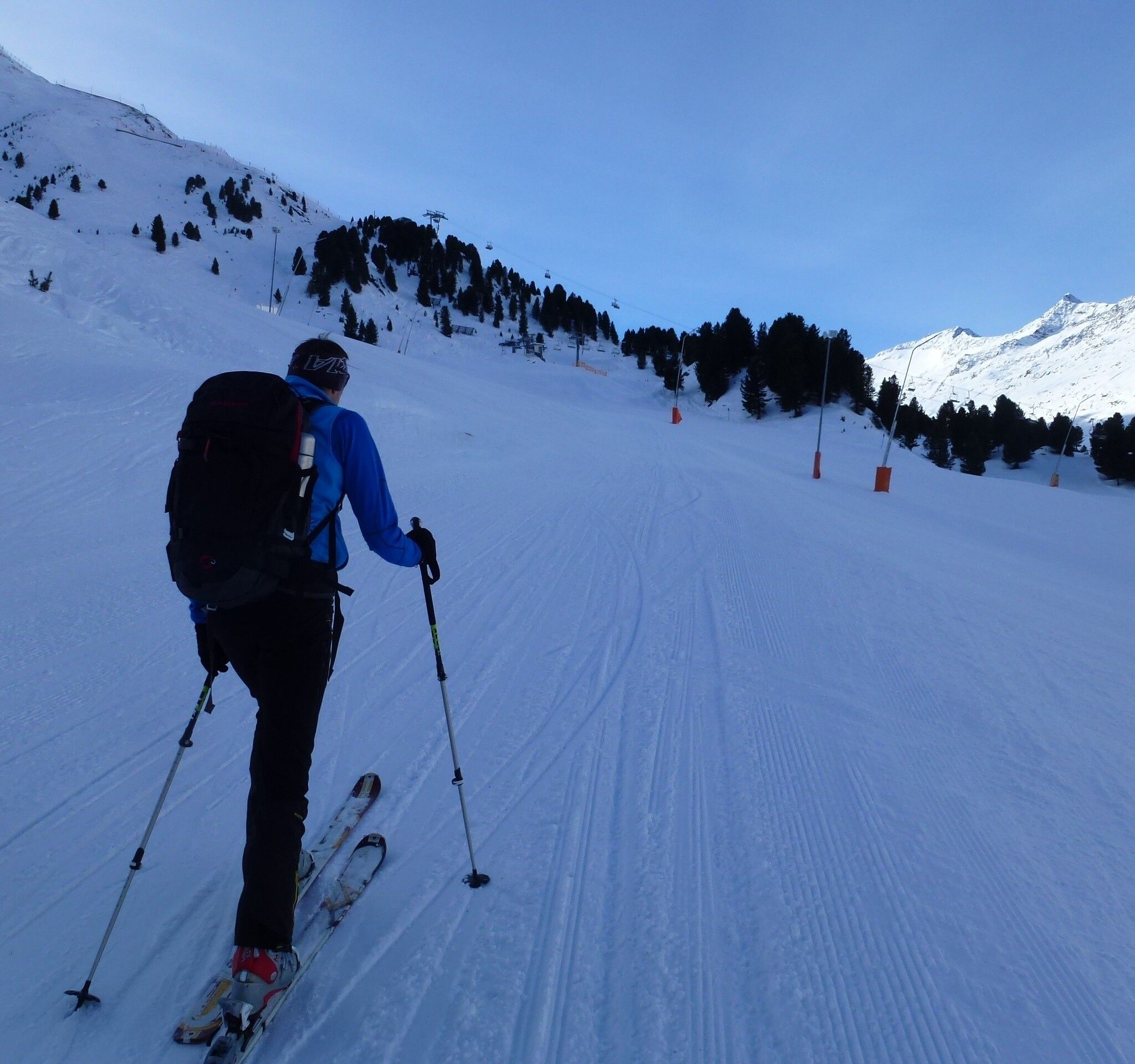
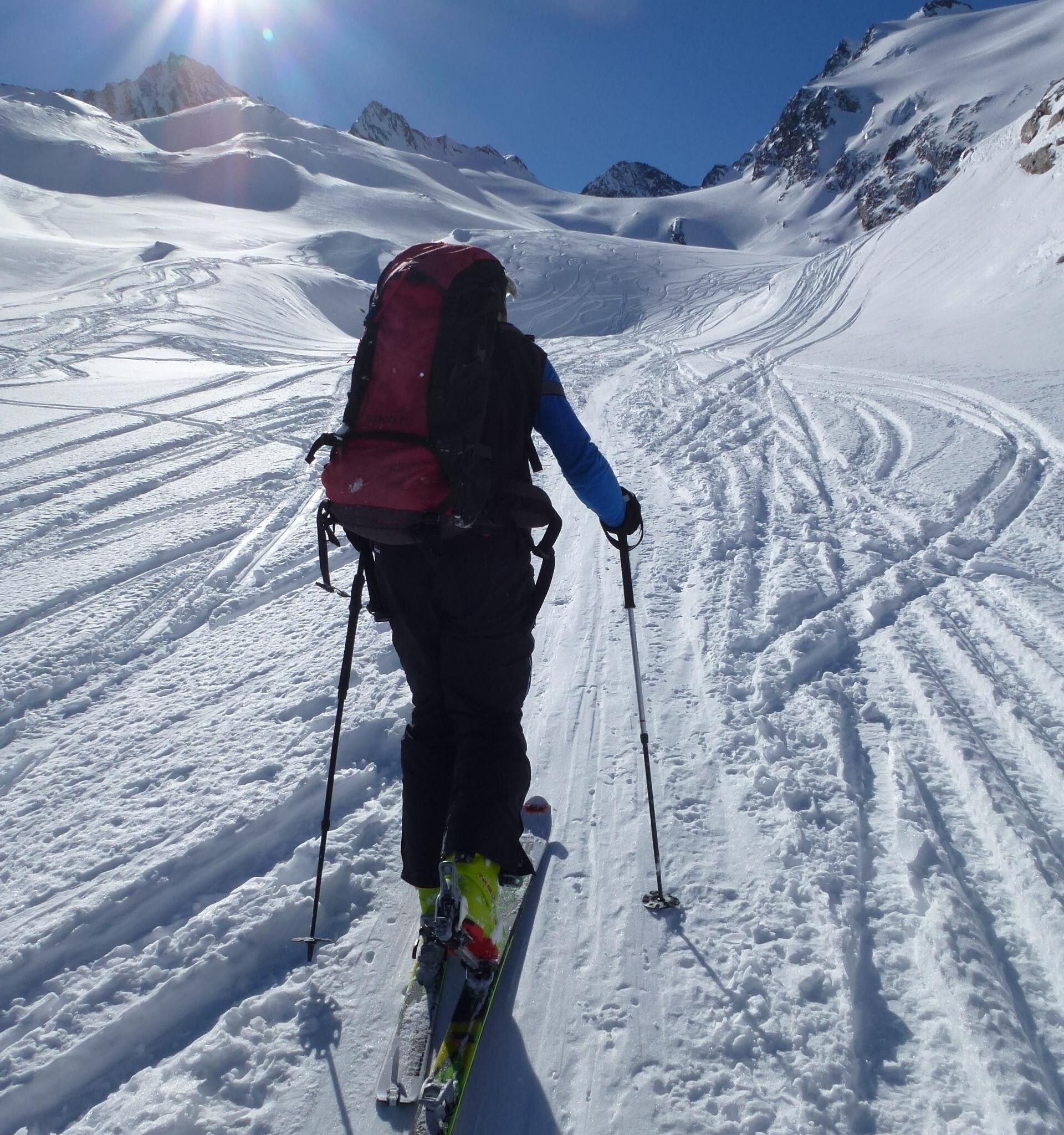
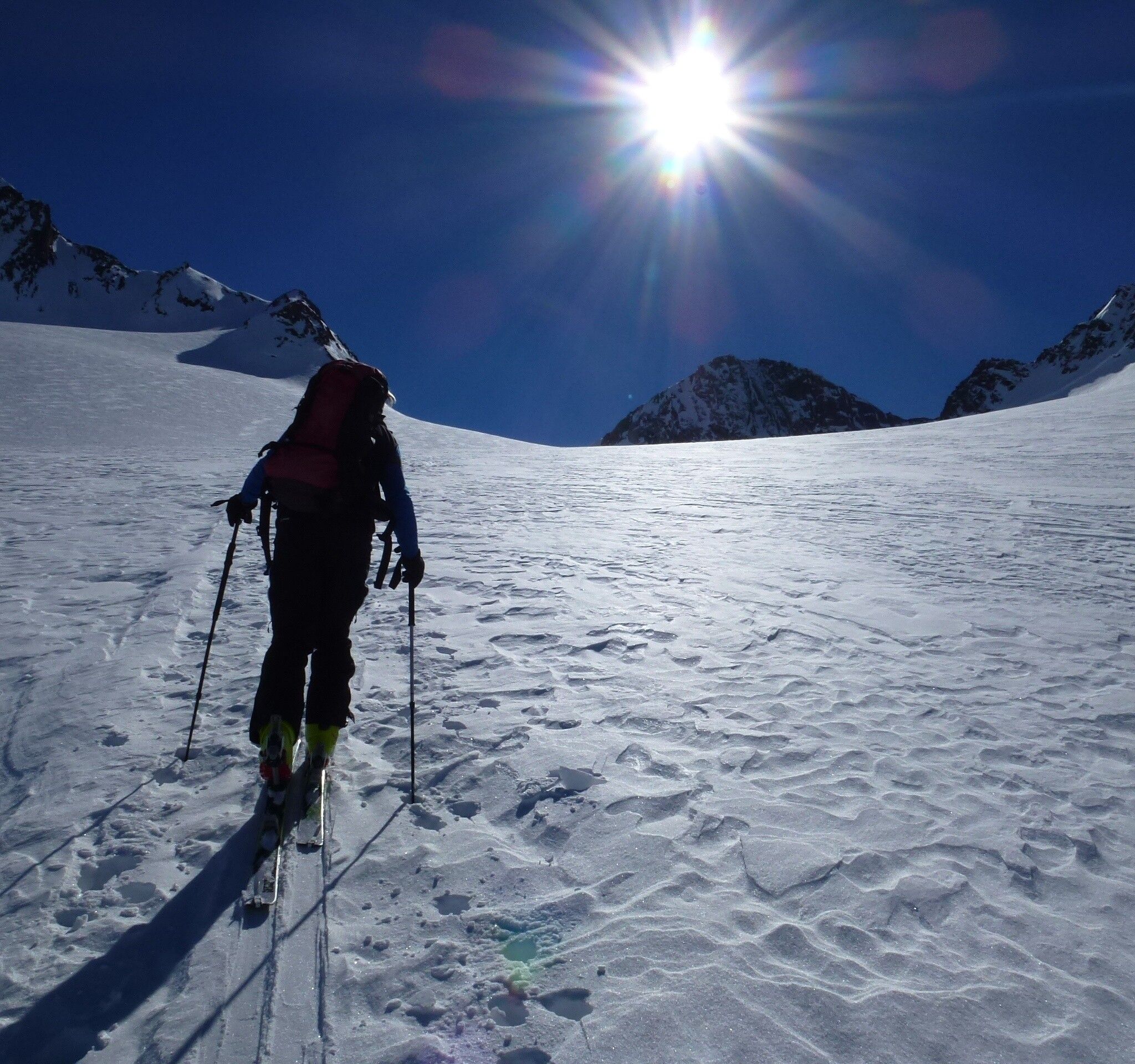
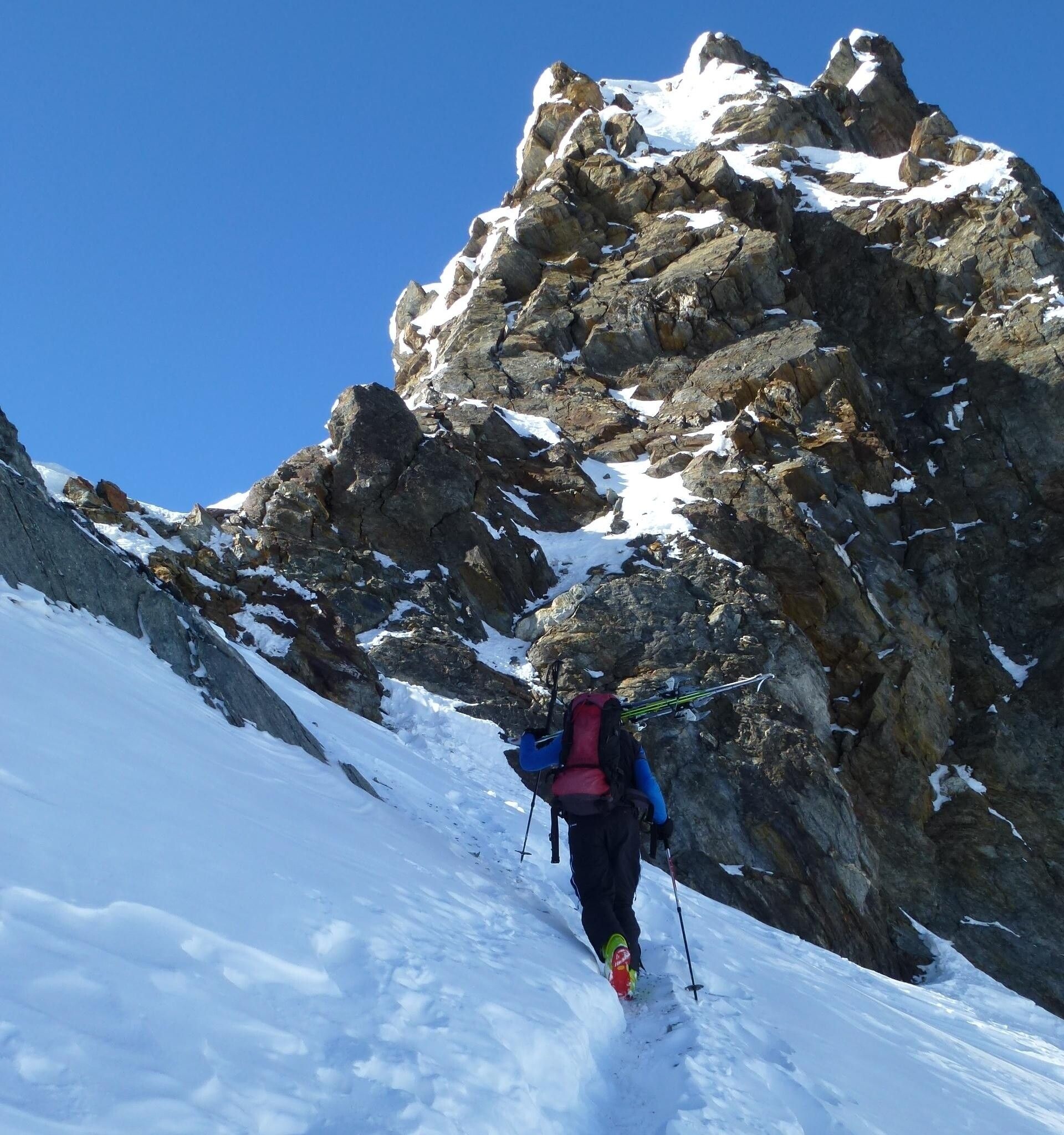
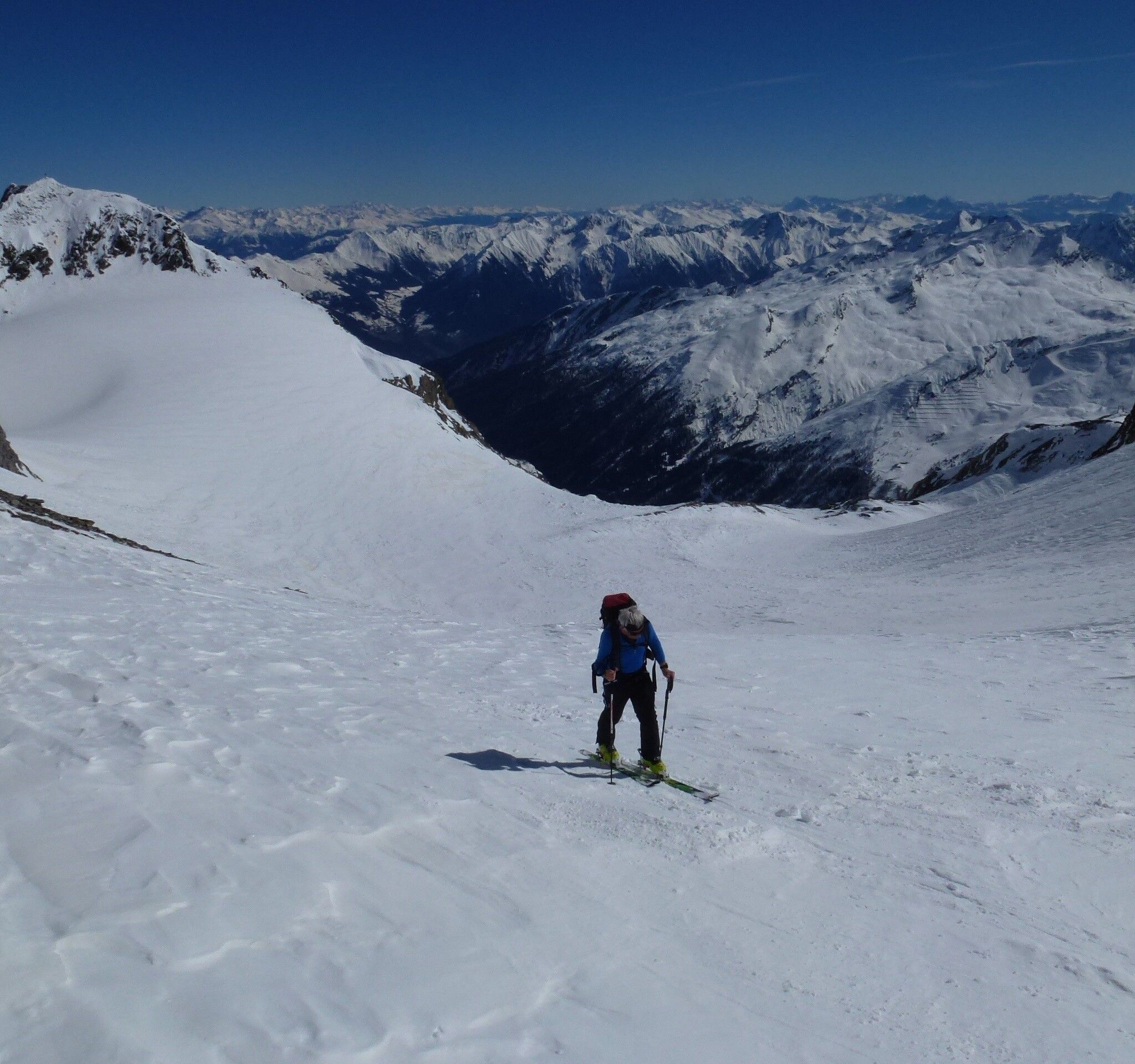
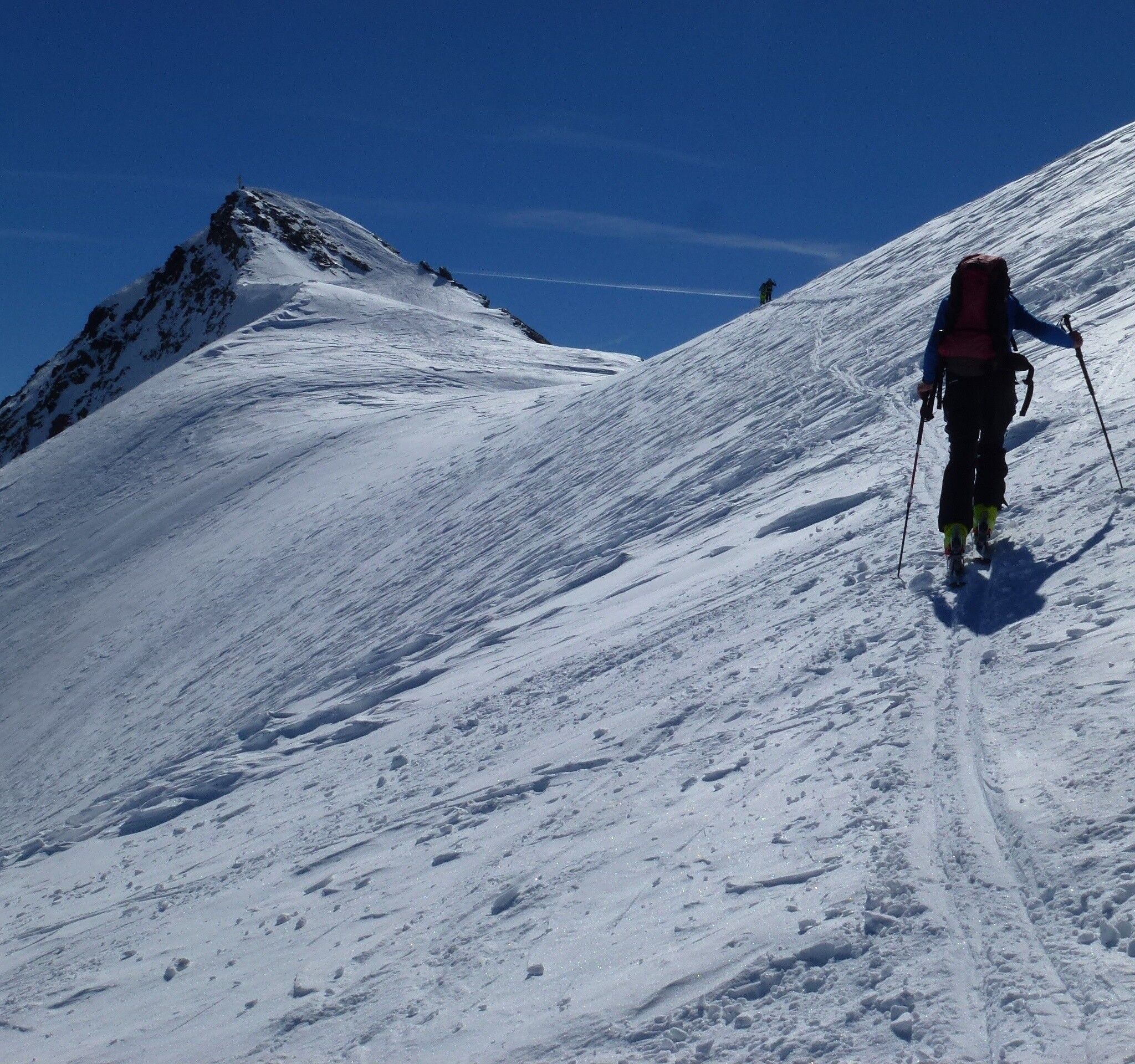
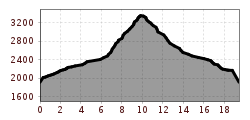
The route to the Hinterer Seelenkogel 3470m from the Rotmoostal is a high-alpine crossing, where you can choose between two magnificent descent options during planning. The descent along the ascent track is no less spectacular and equally demanding in ski technique as the variant over the crevassed Wasserfallferner. Both descent options require very secure avalanche conditions from the outset.Ascent: 4.5 hDescent: 1 h
Travel comfortably and safely by train to the Ötztal railway station. The final station or exit point is the ÖTZTAL station. Then you can travel conveniently and quickly by public bus service or local taxis through the entire valley to your desired destination! The current bus timetable is available at: http://fahrplan.vvt.at
The following parking options are available in Obergurgl-Hochgurgl: