Trailrunning

True or false? Trail running myths

Who made plans for the new year last New Year's Eve? Eating healthier, cycling to work more often instead of taking the car, trying out new sports? And yet, for every resolution there is a ready-made excuse. Too expensive, too complex, too time-consuming. The same goes for trail project - there are plenty of excuses out there. But what if you simply ignored them and hit the trails instead?
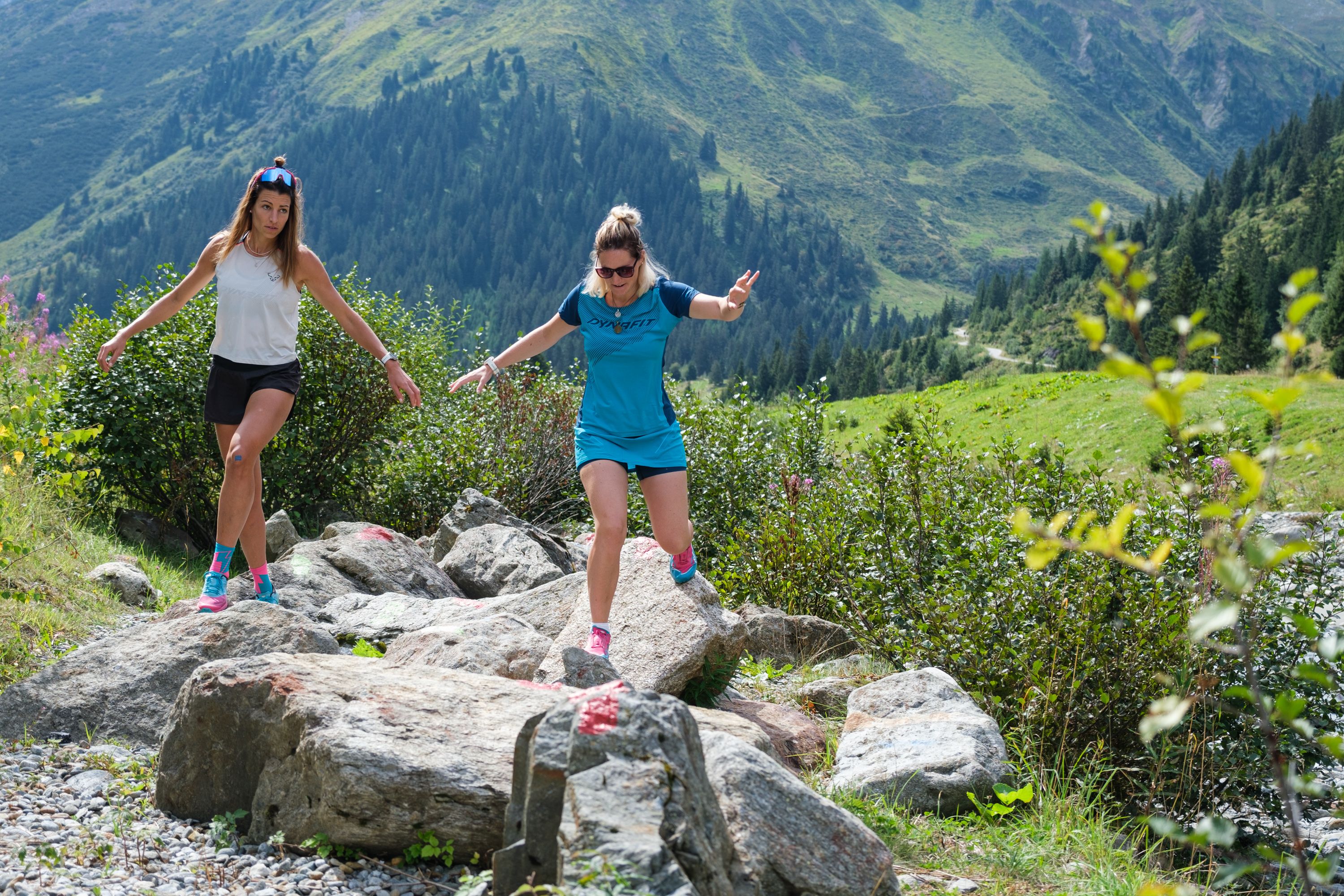
Bei ihrem ersten Trailrun, versucht die Autorin über Steine zu springen

But first, let's answer the question of what exactly trail running is. Even though jogging and trail running have a lot in common, not all running is the same. The two sports differ primarily in terms of the terrain. As the name suggests, trail running involves running on an off-road trail. Instead of running on tarmac, you run on dirt.

However, there are numerous myths surrounding trail running that are worth taking a closer look at and scrutinising.

Myth 1: Trail running is always up, up, up

A trail can be steep. Really steep. But it doesn't have to be. There are also a number of routes which are more or less flat. Trails are not only found in alpine terrain, but also in forests and meadows. However, the routes used for trail running are usually at least slightly undulating. With changing conditions underfoot, you will often be less aware of the ups and downs than when running on the road. Looking at the data on your sports watch after the session can be a positive surprise. However, if you like to push yourself to the limit on steep slopes, you will find plenty of those here in Tyrol.

Conclusion: Trails come in all shapes and sizes. If you like it steep, you'll find the right trail just as much as someone who only wants to gain a few metres in altitude. What all trails have in common: Lots of variety.

Myth 2: Trail running is much more strenuous than normal running

The great thing about trail running is that you can make it as eay or as hard as you want. If you like it intense, look for a steeper trail and up the tempo. If you prefer a more leisurely pace, you can run on flat terrain. What is frowned upon in jogging is actually an integral part of trail running - walking. If things get steep going uphill, it is absolutely okay to walk for a while. Even the professionals do so! The key is to adapt your speed to the terrain. Generally speaking, you could say: the steeper the hill, the slower you run or the more you walk.

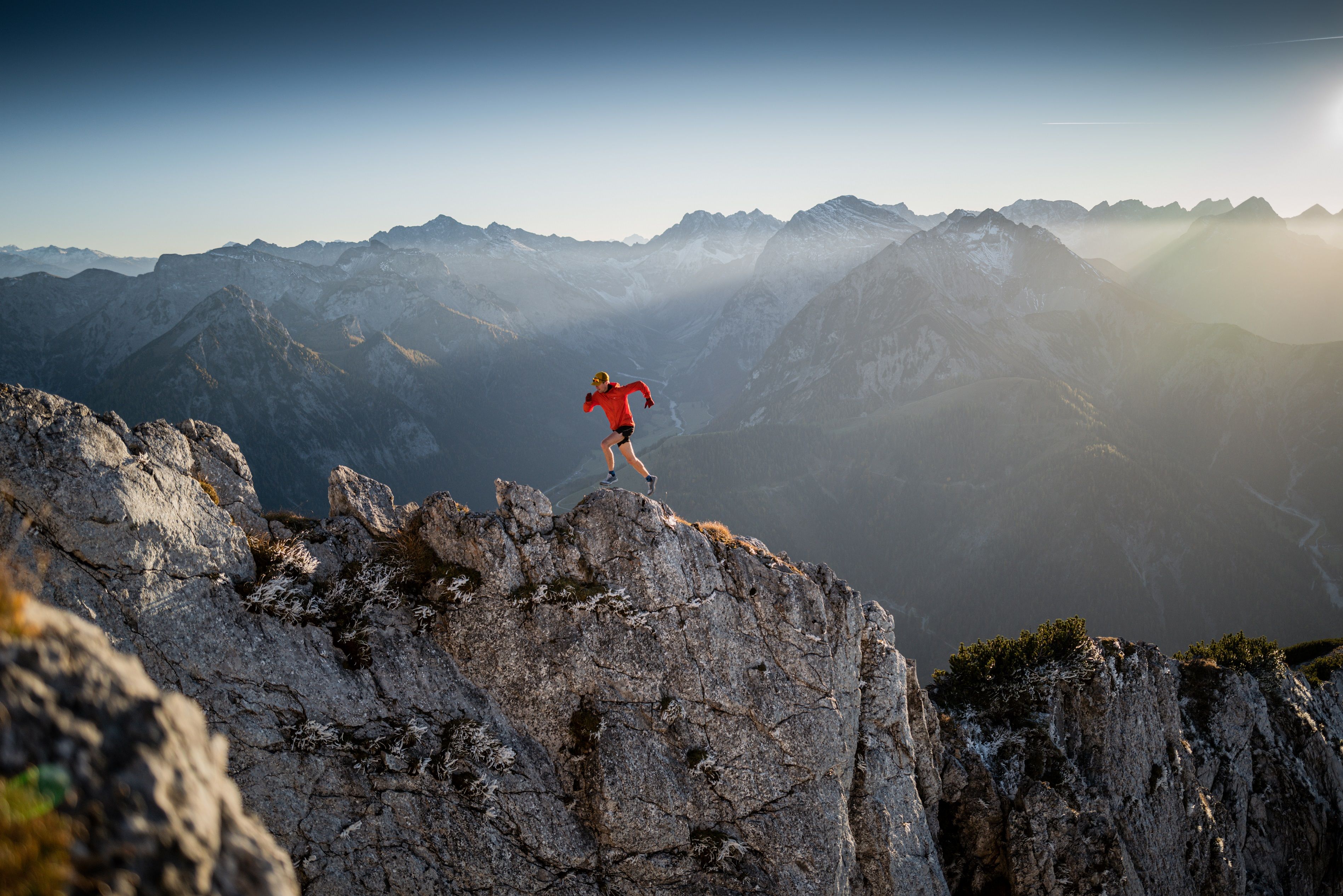
Eben am Achensee, Seebergspitze

Admittedly, the variable surface and small obstacles such as roots and branches are a bit more demanding on body and mind than running on paved roads. But in a positive sense. Trail running trains balance and coordination as well as muscles in the body's core. With the right technique, trail running can even be easier on the joints than jogging on tarmac. The challenge of constantly having to refocus and adapt is also very good training for the mind.

In short: Trail running is as strenuous as you make it. Walking is allowed, even recommended. And the challenge of the constantly changing surface is what makes the sport so appealing.

Myth 3: Trail running is only for experienced runners

If you want to go freeriding, you should be able to ski and if you want to start downhill biking, you need to have good bike-handling skills. But does that apply to trail running? Having run before is certainly not a disadvantage, because then you don't have to concentrate so much on technique. However, it is absolutely not a must and trail running is also something for people who are just starting out with running. As long as you don't want to do trail running professionally, a coach is not necessary. It's best to just go outside, try it out and listen to yourself and your body. The most important thing, however, is to have fun.

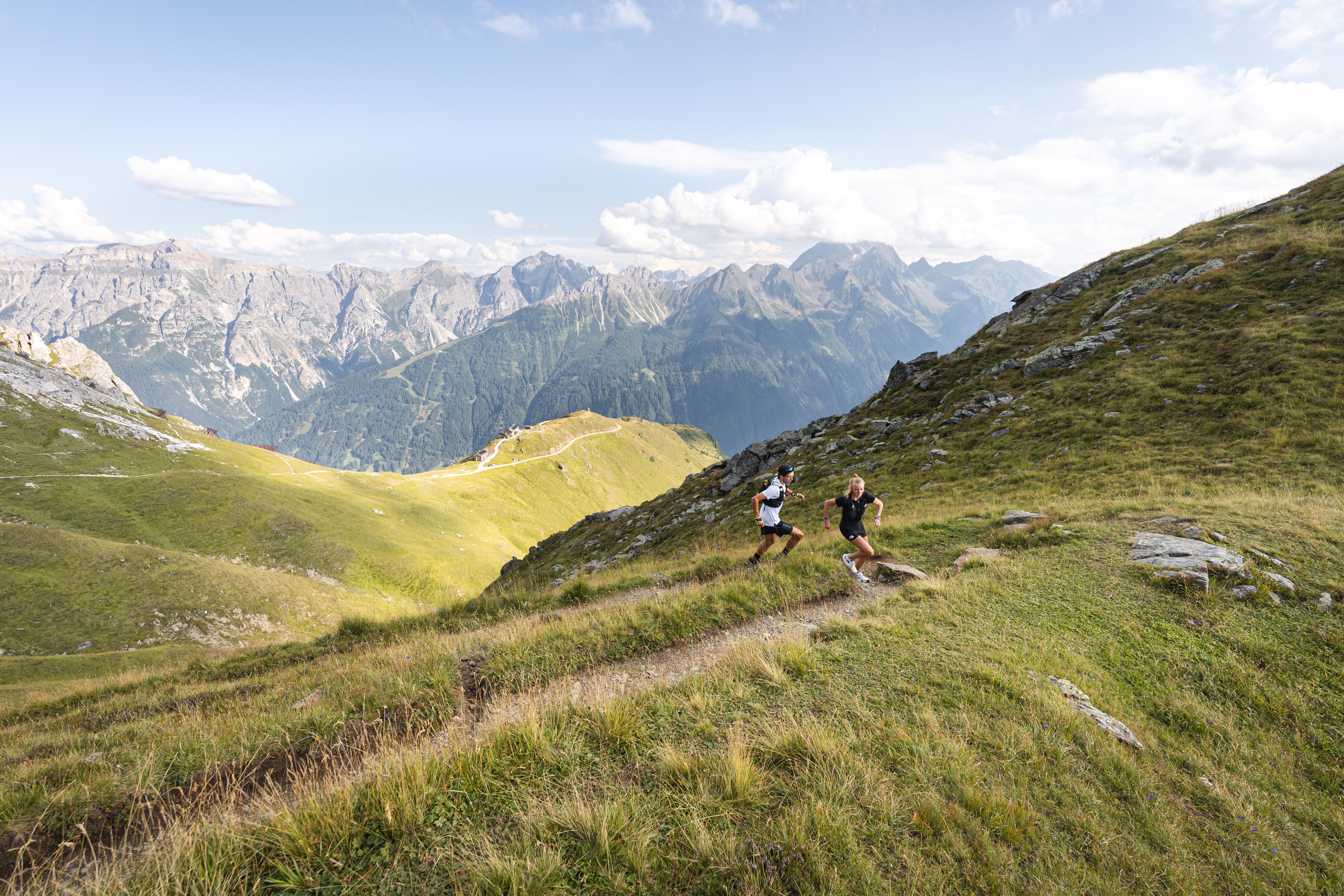
Landschaftsbild von Neustift im Stubaital mit zwei Personen, die einen Trail hinauf laufen.

For the first few running laps it is advisable to choose easy, flat trails. You will soon be able to run through these without stopping, which is particularly good for motivation. If you wearing a sports watch it is advisable, especially at the beginning, not to focus too much on time and heart rate, but to stop and enjoy the view from time to time. This is how the greatest progress is made.

At the same time, trail running is of course also suitable for very experienced runners. Anyone who is tired of kilometre after kilometre on the same roads can look forward to new experiences with trail running. You can jump over roots and small streams, encounter deer and other animals in the forest and even find yourself all alone on a mountain peak.

Conclusion: Having a little running experience is definitely not a bad thing when starting out trail running, but this sport really is accessible to everyone.

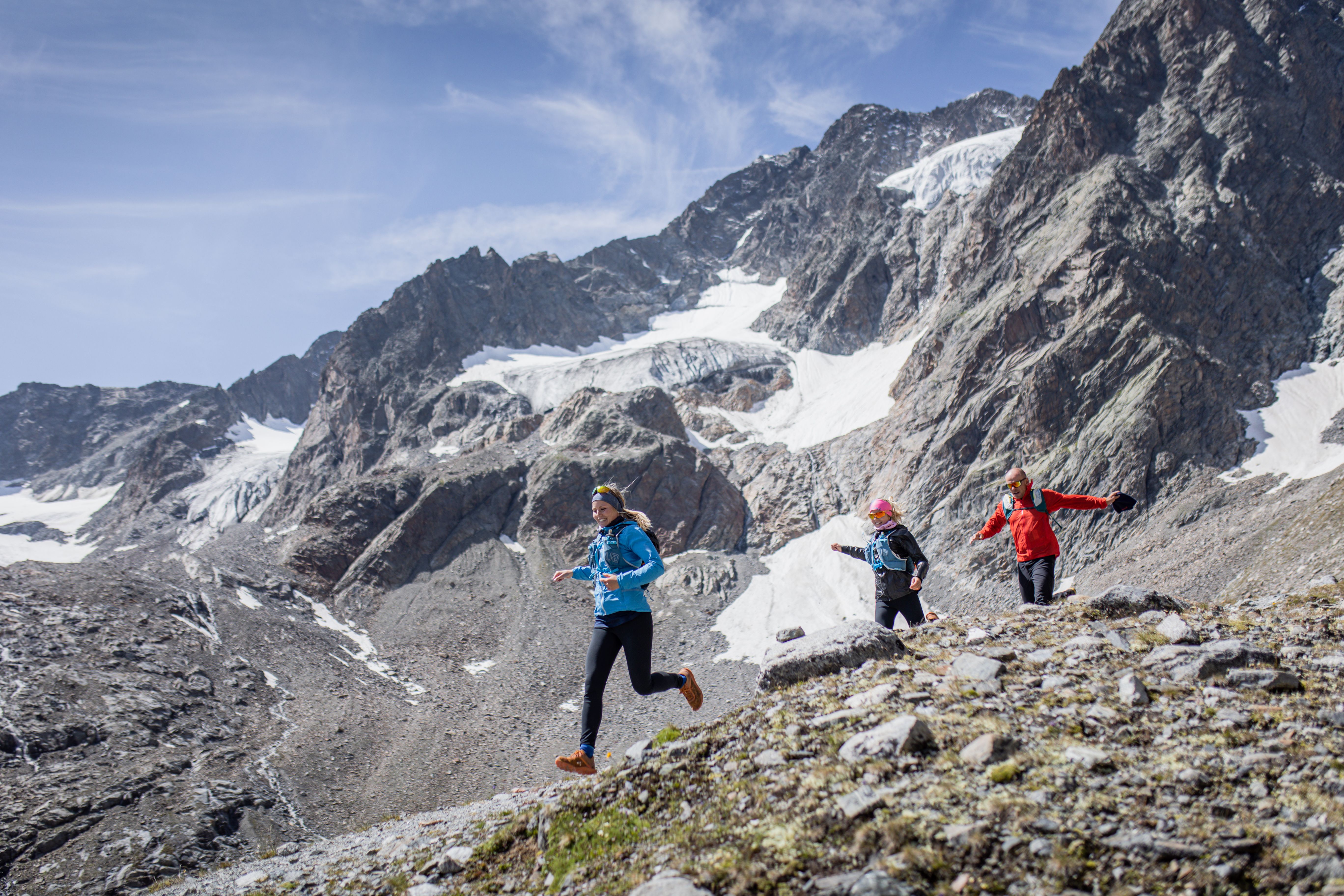
Traillrunning in der Nähe der Kaunergrathütte

Myth 4: Trail running needs a lot of new equipment

Specialised shoes are a fundamental investment for trail running. You can cover many kilometres with a good pair. Important features such as sole grip, cushioning and stability set them apart from conventional running shoes and make a decisive contribution to keeping your feet, ankles and knees healthy. For people who are just starting to run, a single pair of trail running shoes is fine, while advanced runners may buy several models over time to meet different requirements.

In addition to shoes you will also most likely need a lightweight trail running rucksack with space for a thin jacket, a bar and a water bottle. For longer or more demanding runs you may want more advanced equipment. A sports watch, for example, can be a helpful tool for keeping track of your route.

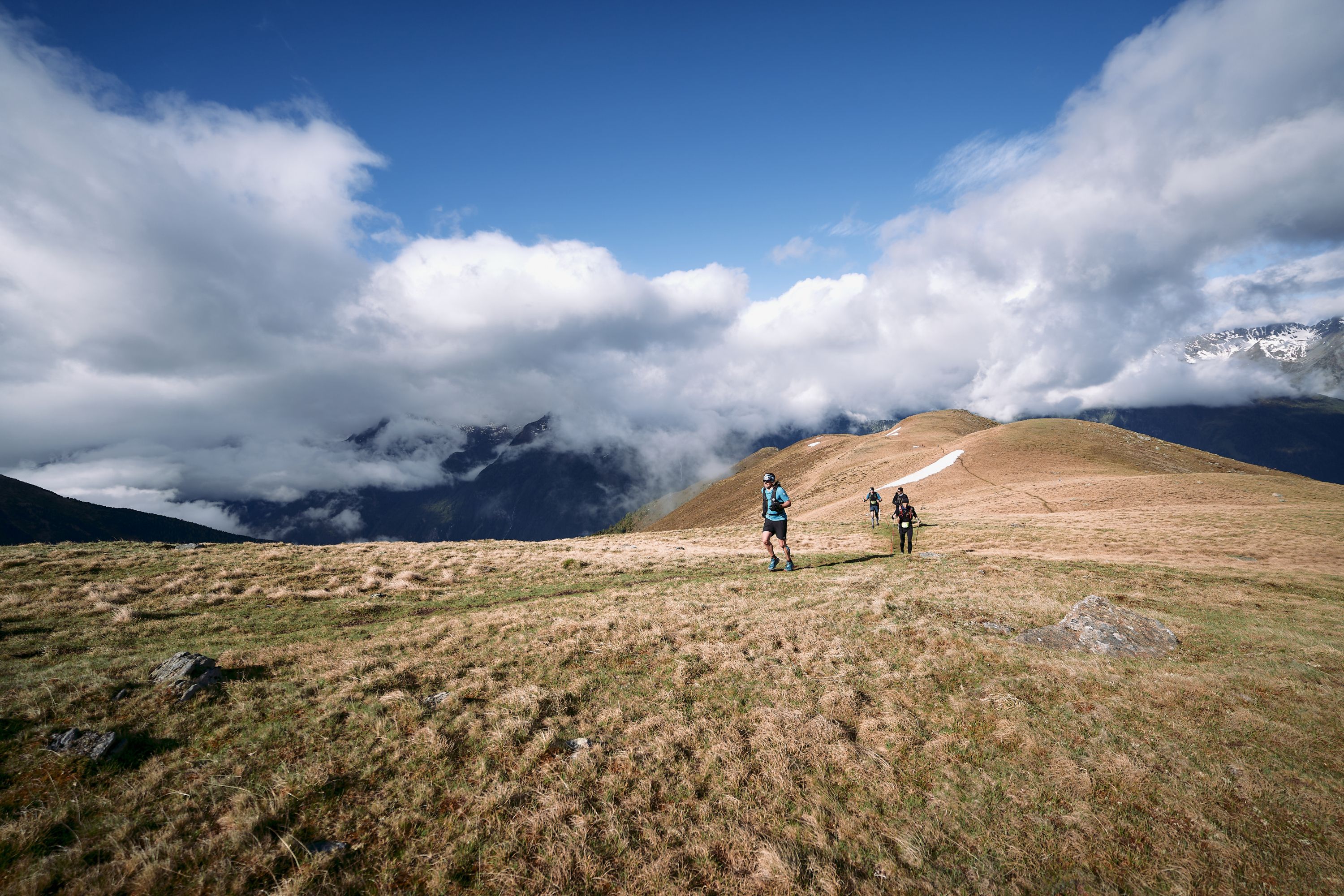
Stuiben Trail

Trail running poles are another option that can be used depending on your preferences. They help to take the pressure off your legs, especially on steep climbs, and offer additional stability. Many models can be folded up to save space and stowed in your rucksack if you don't need them or want to keep your hands free for climbing.

Conclusion: There is no getting round suitable trail running shoes. However, with an investment of around 120 to 170 euros, you can start running straight away. Other gadgets are unnecessary at the beginning.

Myth 5: Trail running takes a lot of time and you have to drive somewhere first

Trail running is one of the most uncomplicated and low-effort sports. Even if your day is full of commitments, you can quickly use half an hour to burn off some energy and get in those steps. Tyrol has a huge range of trail running option. Whether in forests, across meadows or on mountains - there are routes with a wide variety of gradients and levels of difficulty. The nearest trail is often closer than you think. A glance outside your front door is often enough to discover suitable trails. For additional inspiration you can use tour apps that offer a variety of suggestions.

Even if you live in the city centre or have already tried out all the well-known routes in the area, you can easily find new options. You can reach the starting point of a new trail within a few minutes by bike to begin another adventure. Trail running is flexible and doesn't require complicated planning - which is exactly what makes it so attractive.

Wildewasser-Trail

Trail running doesn't have to start right outside your front door. Trail running is the perfect way to discover new areas, visit special places or take part in events. More and more events are attracting runners who are inspired by the combination of sport and breathtaking natural scenery. One well-known example is the Karwendelmarsch, an annual event which runs from Scharnitz to Pertisau on Lake Achensee. This mass-participation event brings together professional athletes and hikers alike and offers an unrivalled atmosphere in a unique mountain setting.

Conclusion: Whether as a day trip, during a holiday or as part of a competition - trail running can be wonderfully combined with travelling. At the same time, it remains a sport that does not require long journeys. The nearest trail is often just a few steps away, ready for spontaneous runs in the great outdoors.

The appeal of trail running lies in its versatility and simplicity. It opens up endless possibilities, from new peaks to remote trails. The combination of physical challenge, tranquillity, freedom and proximity to nature is what makes this sport so special. Whether near or far - trail running creates moments that will excite and inspire you.

Newsletter

The mountain is calling? So does our newsletter!

In our monthly newsletter we reveal the best holiday tips for Tyrol.