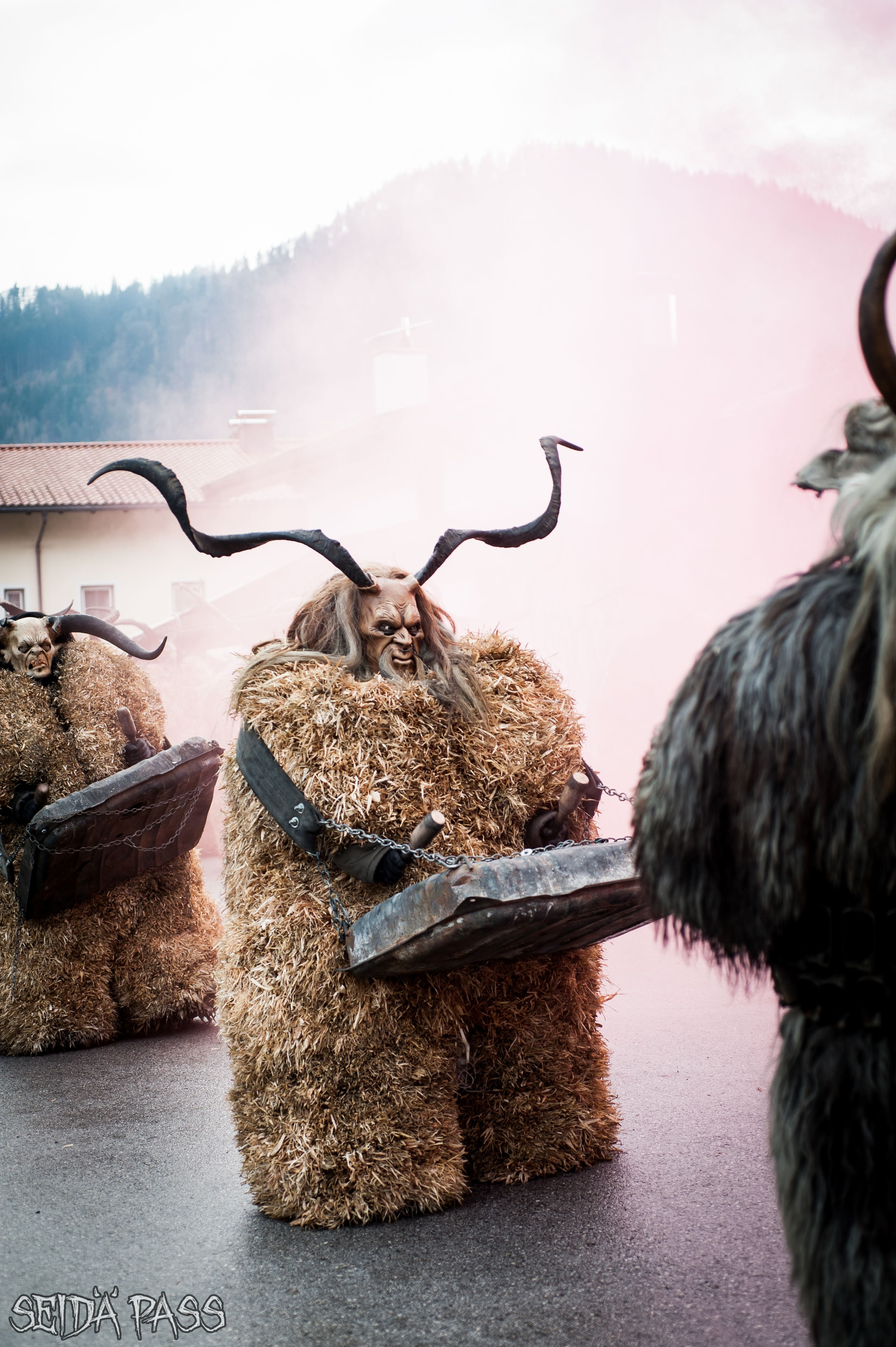
Most Tyrolean ski resorts open their doors at the beginning of December, but there is not so much going on in the run-up to Christmas and there are plenty of authentic traditions to experience away from the slopes, such as the Krampus runs around St Nicholas' Day or the numerous Christmas markets. The glacier ski areas in Hintertux, Kaunertal, Pitztal and Sölden have been open since November.
Celebrating the New Year with friends in a romantic mountain hut is what many people wish for on New Year's Eve. But you have to be quick! Some huts are so popular that they are fully booked up to two years in advance. The Alfenalm in East Tyrol or the Kohler Hütte in the Zillertal are particularly rustic. If you want something more luxurious, you'll love Stanglwirt's Hüttlingmoos.
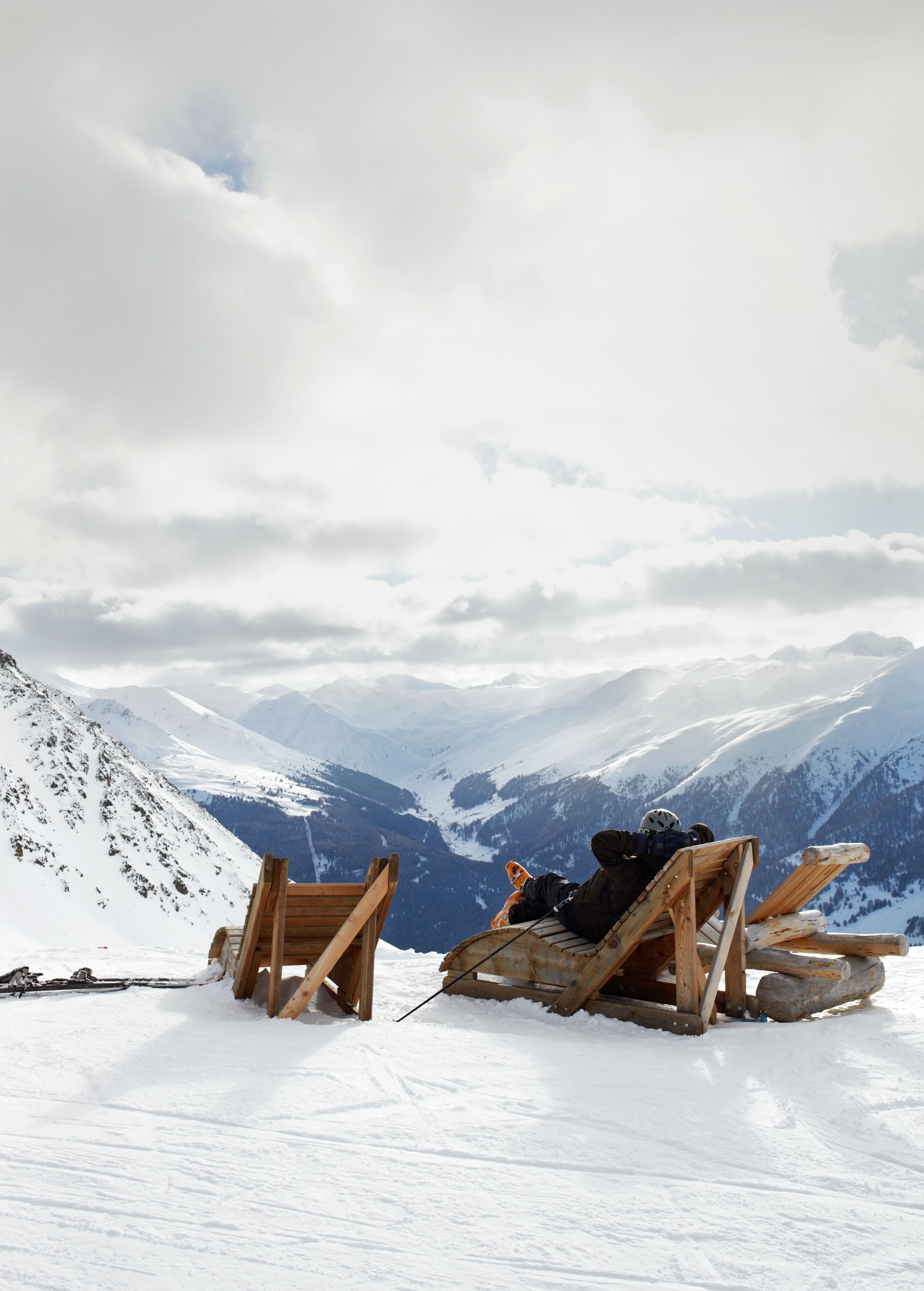
The Christmas peak at the end of December and beginning of January is usually followed by a few quieter days in Tyrolean tourism. Some guests leave, others have to wait a little longer before their holiday begins. Clever winter sports enthusiasts take advantage of the so-called "Jännerloch" and enjoy plenty of space on the piste, short waiting times and the best piste conditions.
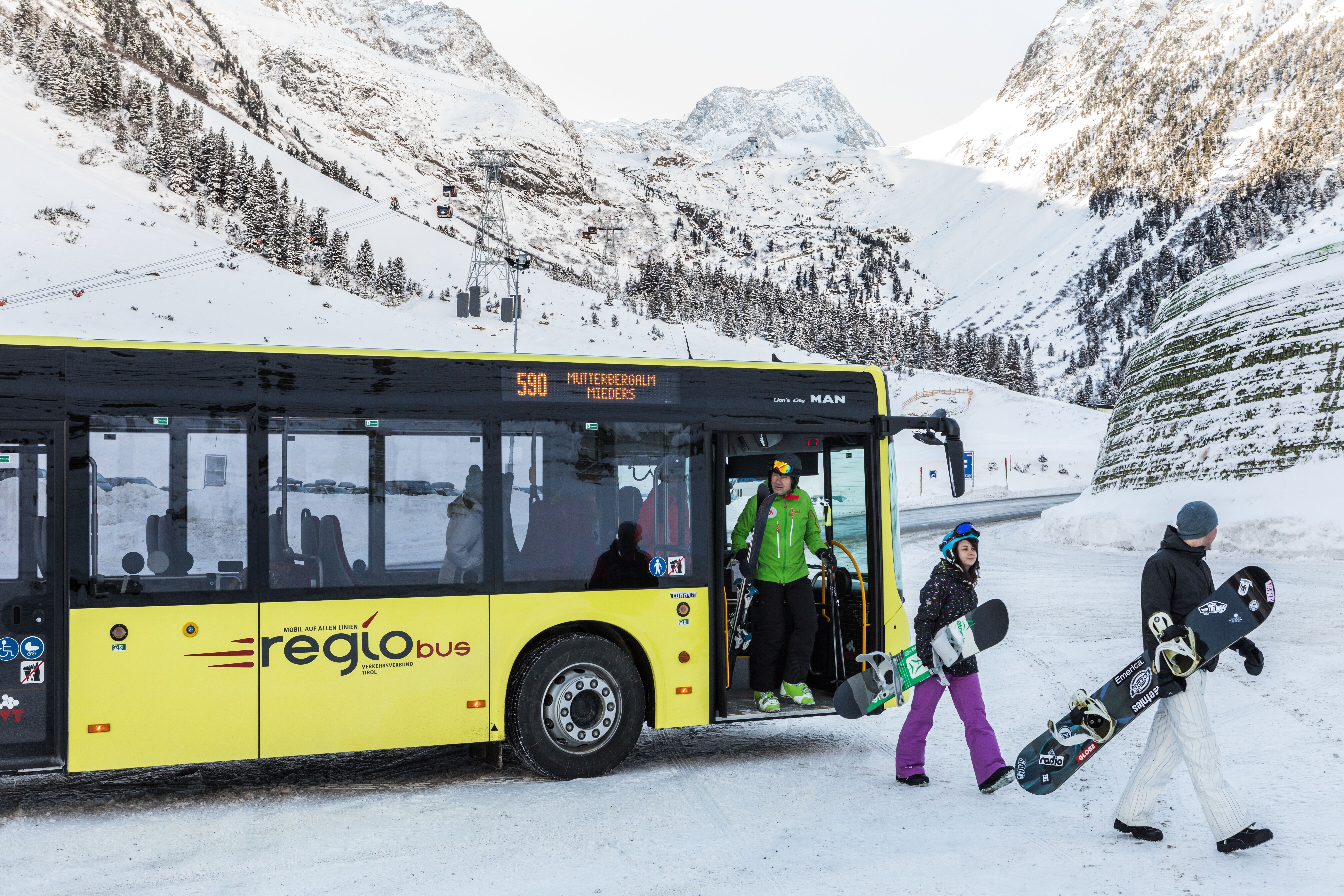
Even though the road network in Tyrol is well developed, there are always traffic jams during the winter rush hour. Travelling by public transport is environmentally friendly and guaranteed traffic jam-free. The train connections to Tyrol are getting better every year and the Four Seasons shuttle service takes you from the train station to your accommodation in comfort. In the ski resorts, ski buses take you to the lift and back again free of charge. Incidentally, there are many ski resorts with a railway station where it is only a stone's throw to the piste.
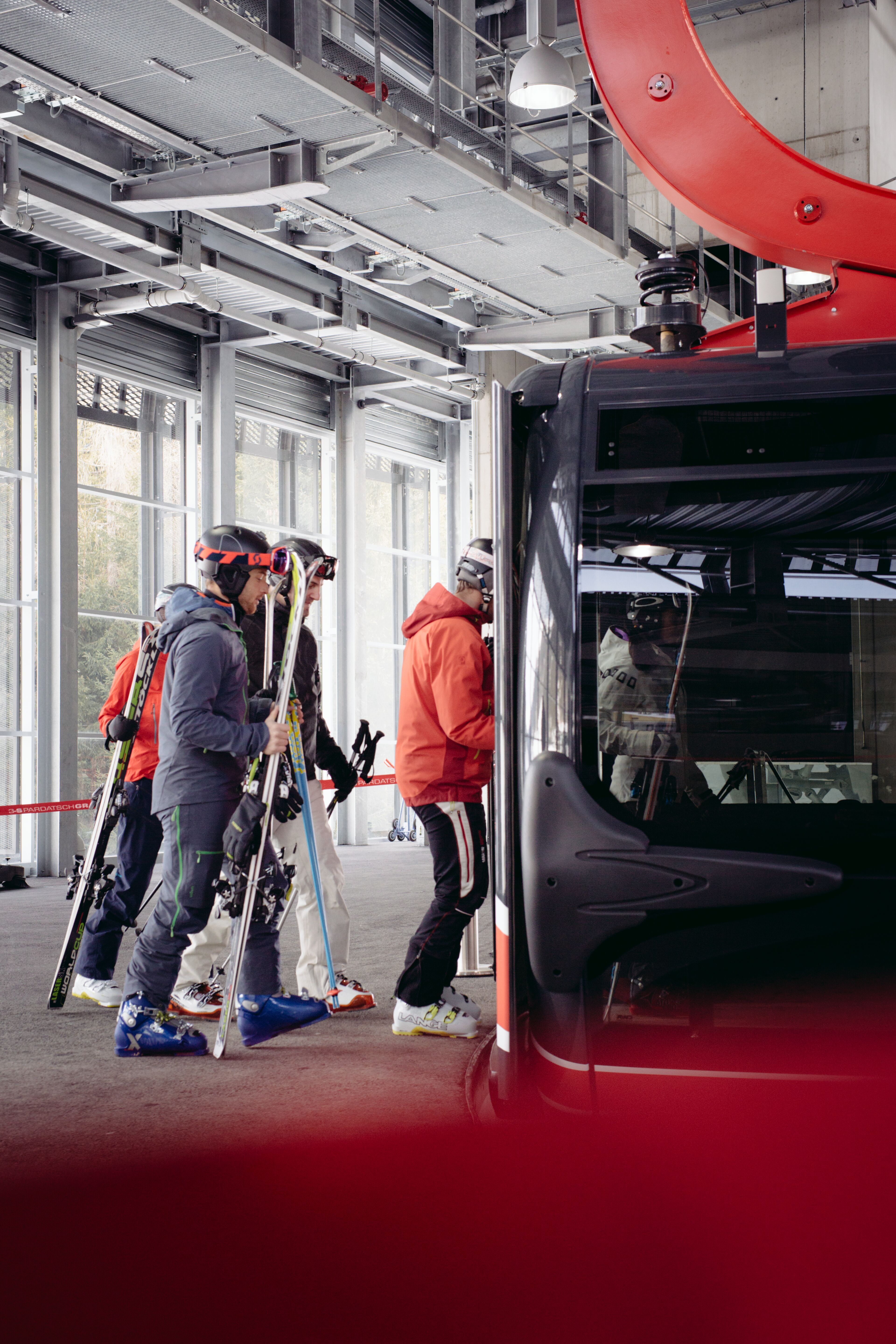
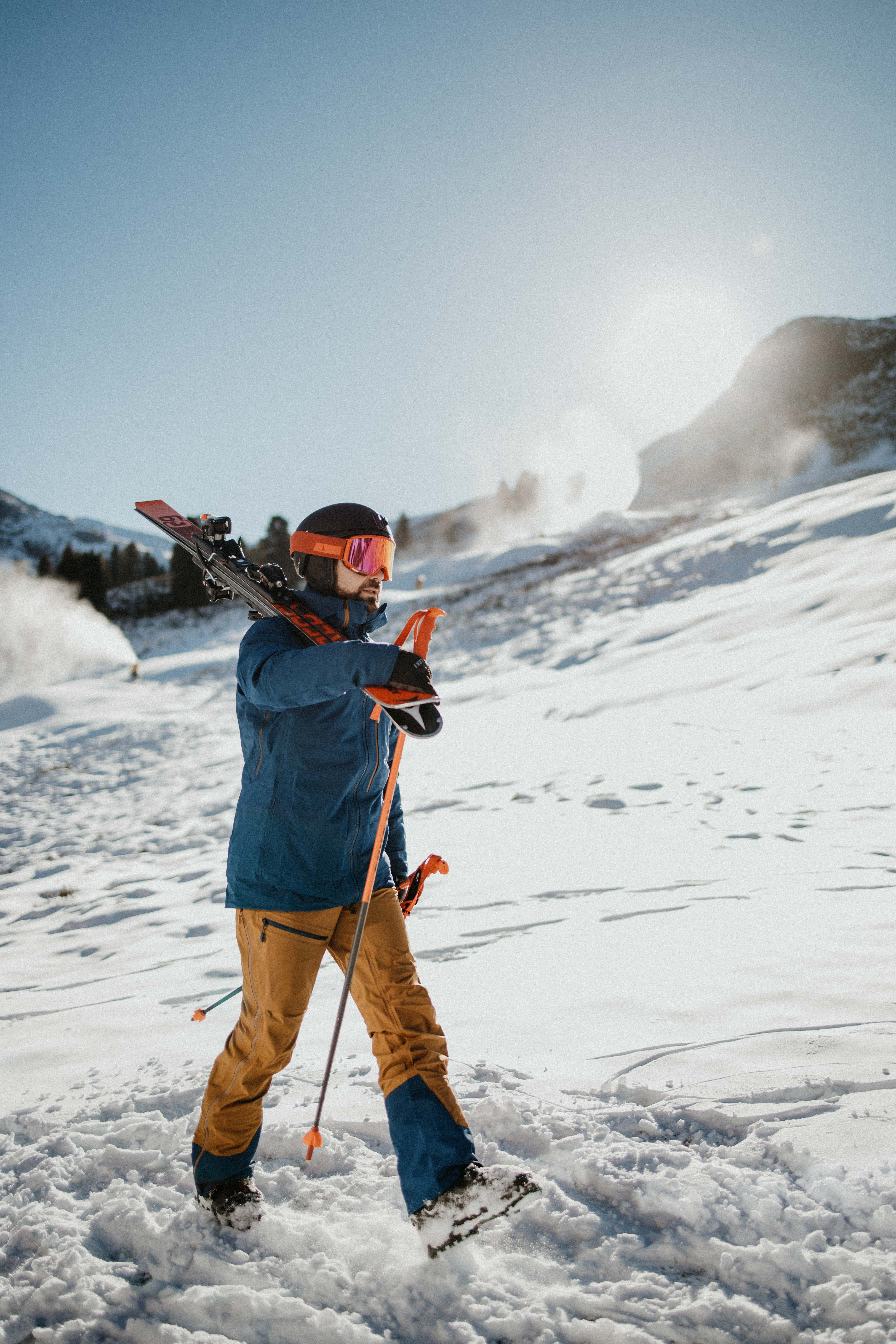
Do you want to shoulder your skis as cool as the ski instructors? Nothing could be easier: hold the skis in your left hand and the poles in the other. Now manoeuvre the skis onto your right shoulder and push them down a little at the front. When turning round, make sure that there are no people in the vicinity so that they don't accidentally come into contact with your skis. When queuing at the gondola, it is best to hold your skis vertically with the tips pointing upwards.
By the way, there are several ways to carry skis.
Many winter sports enthusiasts make the mistake of getting out of the gondola and jetting off straight away. But without warming up first, the risk of injury increases, as skiing puts a lot of strain on muscles and ligaments. Leg lifts, running in a standing position, a few simple stretching exercises and the good old jumping jack are the ideal preparation for an injury-free day on the piste.
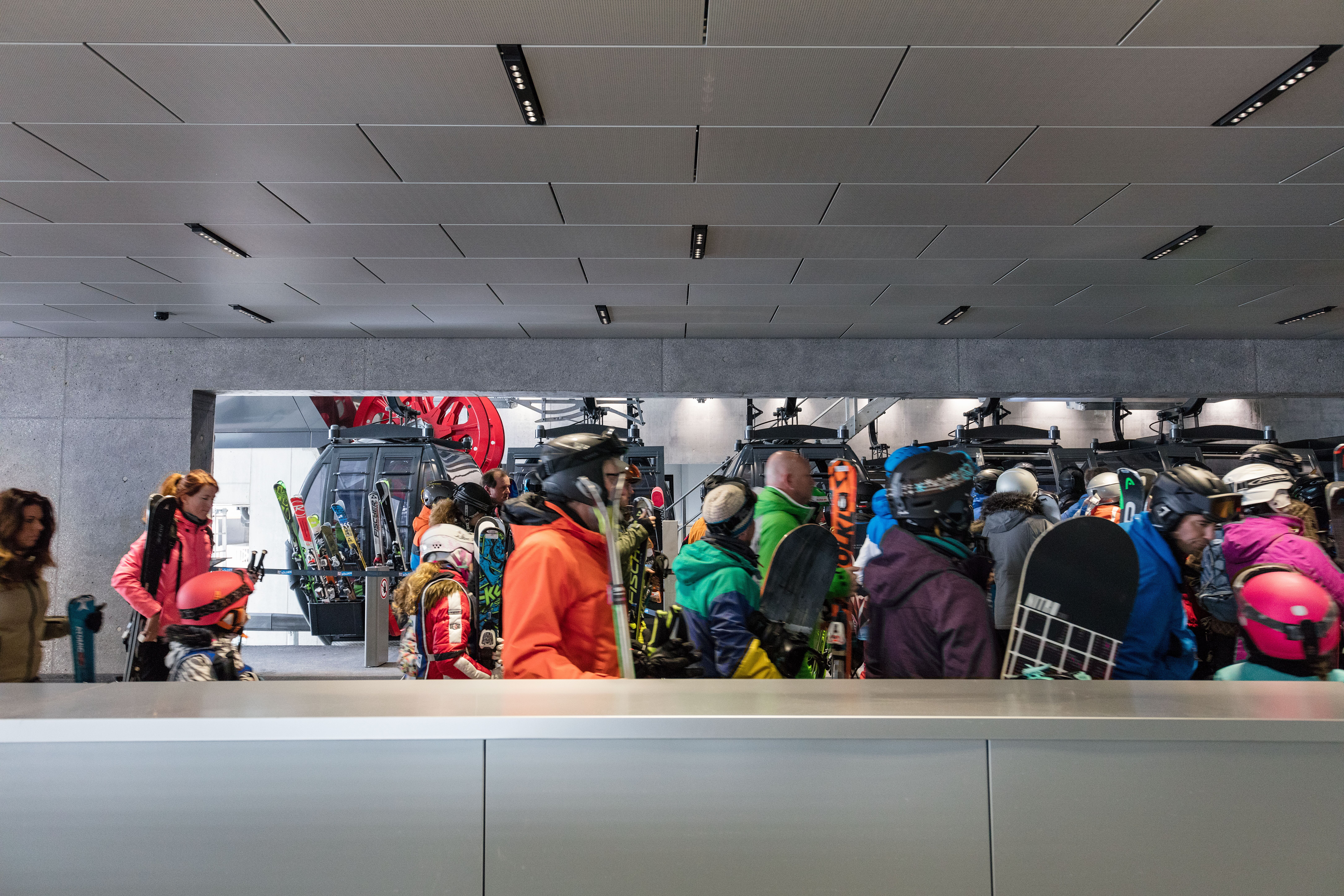
Despite modern lifts with enormous transport capacities, there are waiting times from time to time. Professional queuers should first get an overview and queue to the left or right, but never in the middle of the queue. In addition, large groups that want to travel up together should be avoided. Important: Nobody likes inconsiderate pushers!
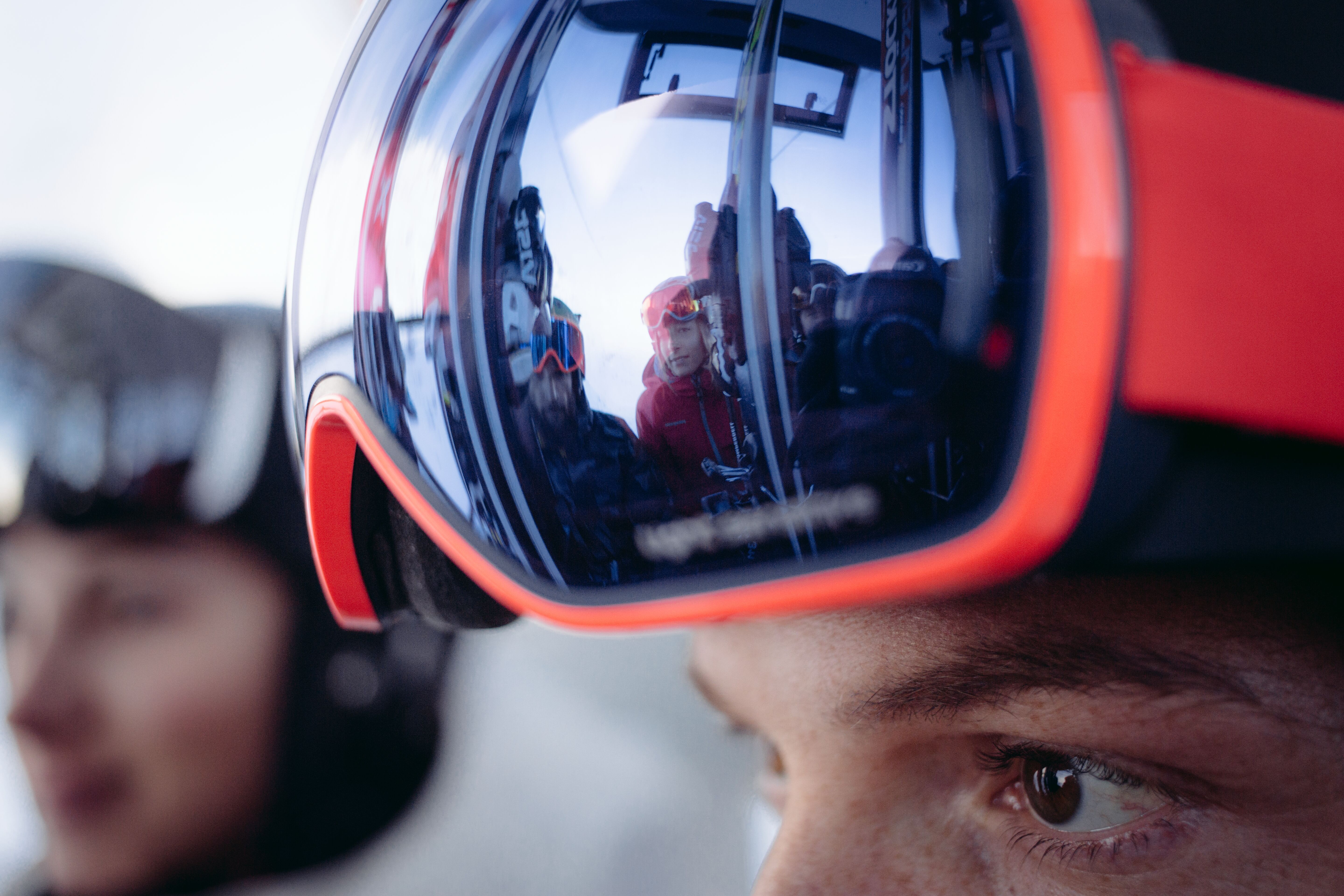
Into the bindings and off you go. But it soon comes to an end because the ski goggles have tarnished. Annoying, but avoidable. The warmth of your face and your breath cause the lenses to fog up as the moisture condenses in the cold air. In addition to special sprays and anti-fog wipes, it can also help to rub the lenses with a soft cloth and PH-neutral soap (without water). A balaclava under the helmet can also be helpful as it protects the goggles from the breath. High-quality ski goggles usually have coated double glazing anyway, which prevents fogging.
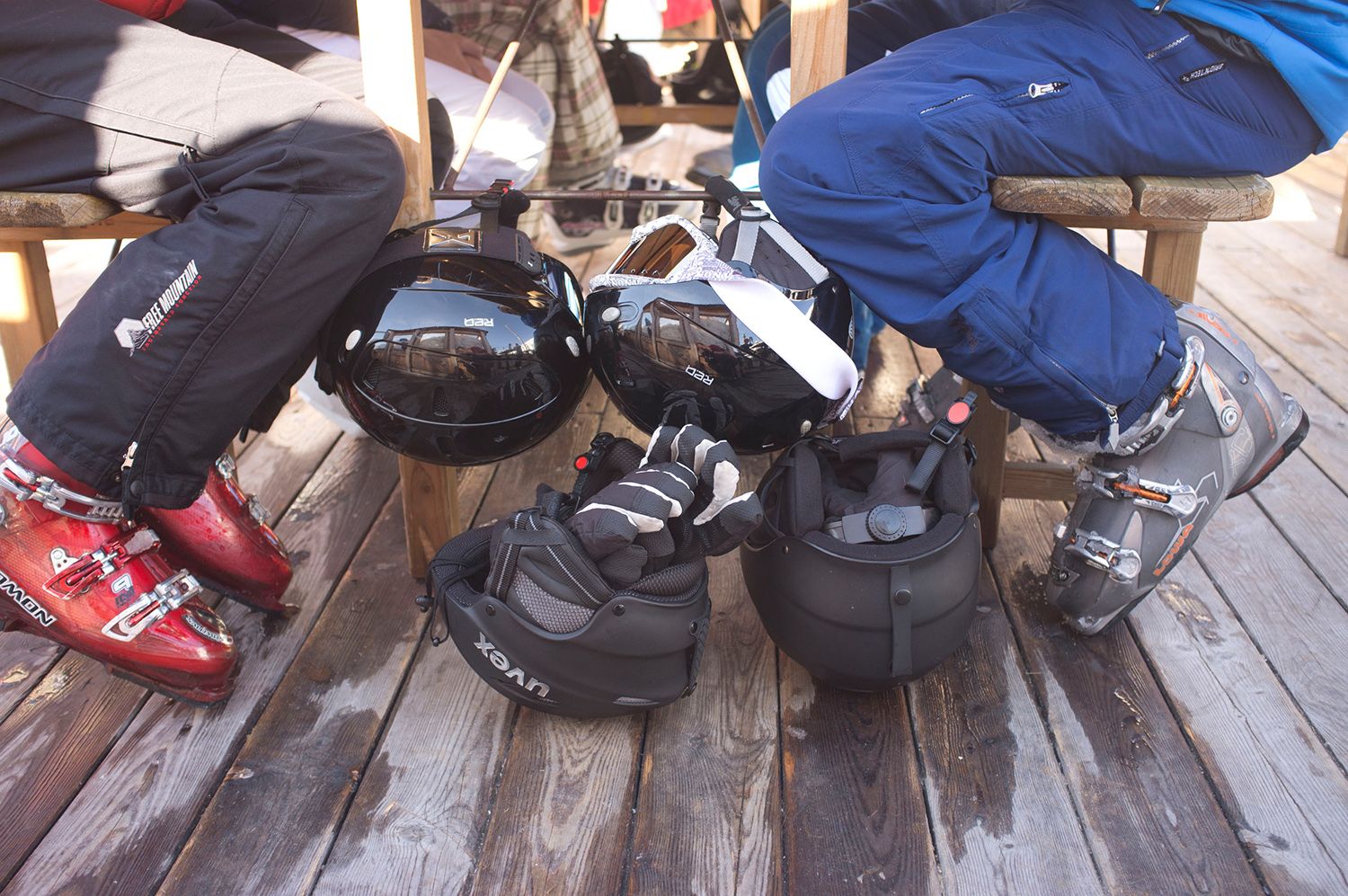
Anyone who spends a sporty day on the piste will work up a sweat. Whilst you can easily wash your underwear, it's more difficult with ski boots. It is important to dry your boots properly. The best way to do this is with a drying machine, which is available in most ski cellars. Otherwise, stuffing them with newspaper and storing them in a warm place will help. If the boots already smell, a tea bag will help to neutralise the odour. Other household remedies with a "de-scenting effect" are baking soda, baking powder or cat litter in a cloth bag.

Does the term "Hoanigl" mean anything to you? In Tyrolean, it refers to the painful "thawing" of cold hands. To avoid Hoanigl when skiing, it is best to wear mittens and thin gloves underneath. Those who are particularly sensitive to the cold can also use heat pads. Arm circles also stimulate blood circulation in the hands.
The risk of sunburn on the mountains is very high due to the reflection of the snow. UV protection with sun protection factor 50+ should be applied early and regularly. Sun cream with SPF 50 should also be in your luggage on cloudy days. The lips are particularly sensitive and should be protected against the sun, wind and cold with a special lip balm.
There is indeed a sin on the mountain pasture: drunk skiing. The first FIS rule states that all winter sports enthusiasts must behave in such a way that they do not endanger or harm others. No question: partying in the umbrella bar is fun, but it's not called APRÉS skiing for nothing. French for "AFTER", not before or during. We're going to assume that you're sensible and give you our tips for après-ski.
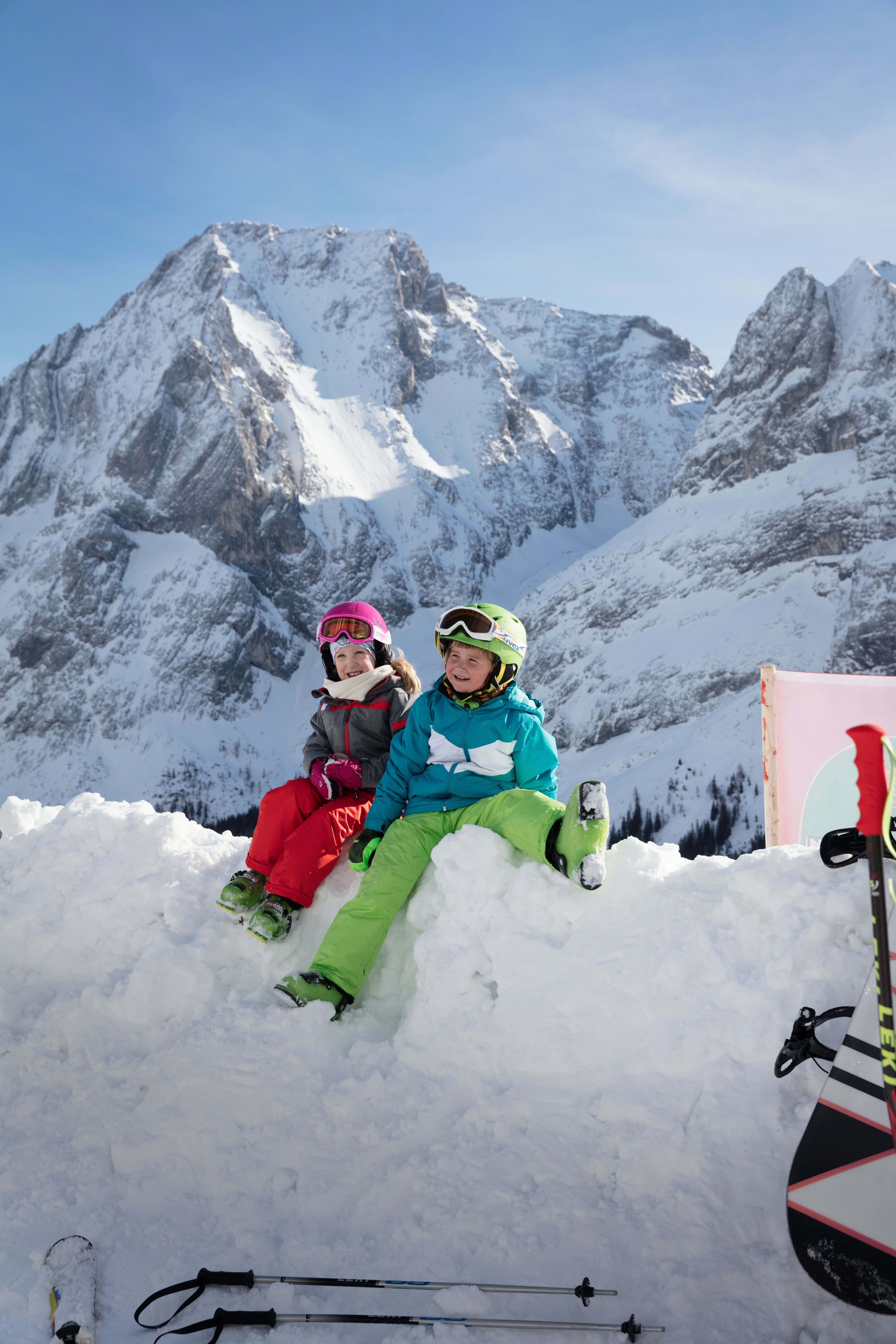
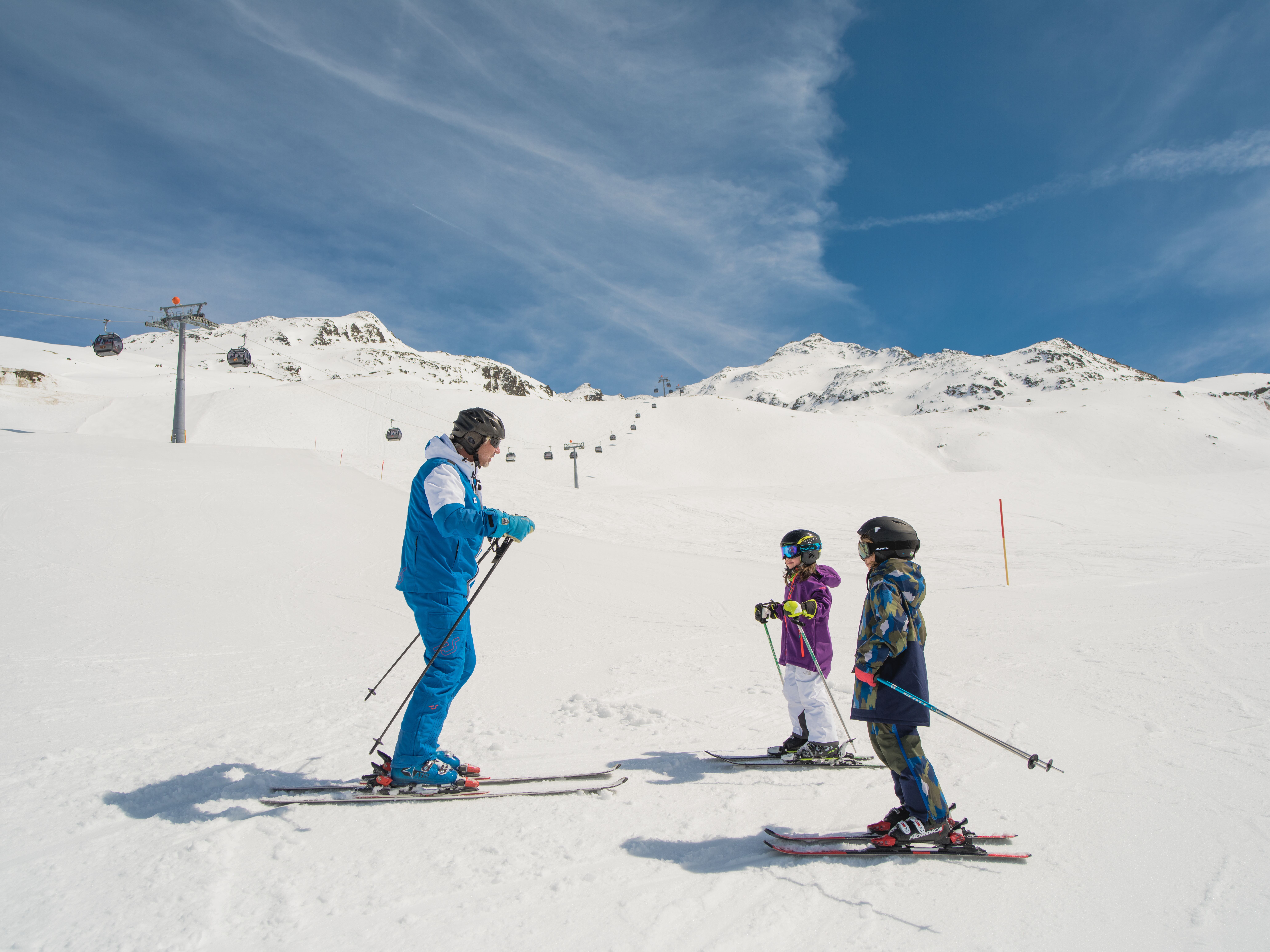
In some ski resorts, there are special offers for young families that are easy on the holiday budget. Many practice lifts are free of charge and in the SkiWelt Wilder Kaiser-Brixental, in Serfaus-Fiss-Ladis or in Hochötz there are tickets that can be transferred to a partner. This means that one parent can look after their children while the other has fun on the piste. You can find the best family ski resorts in Tyrol in this overview.
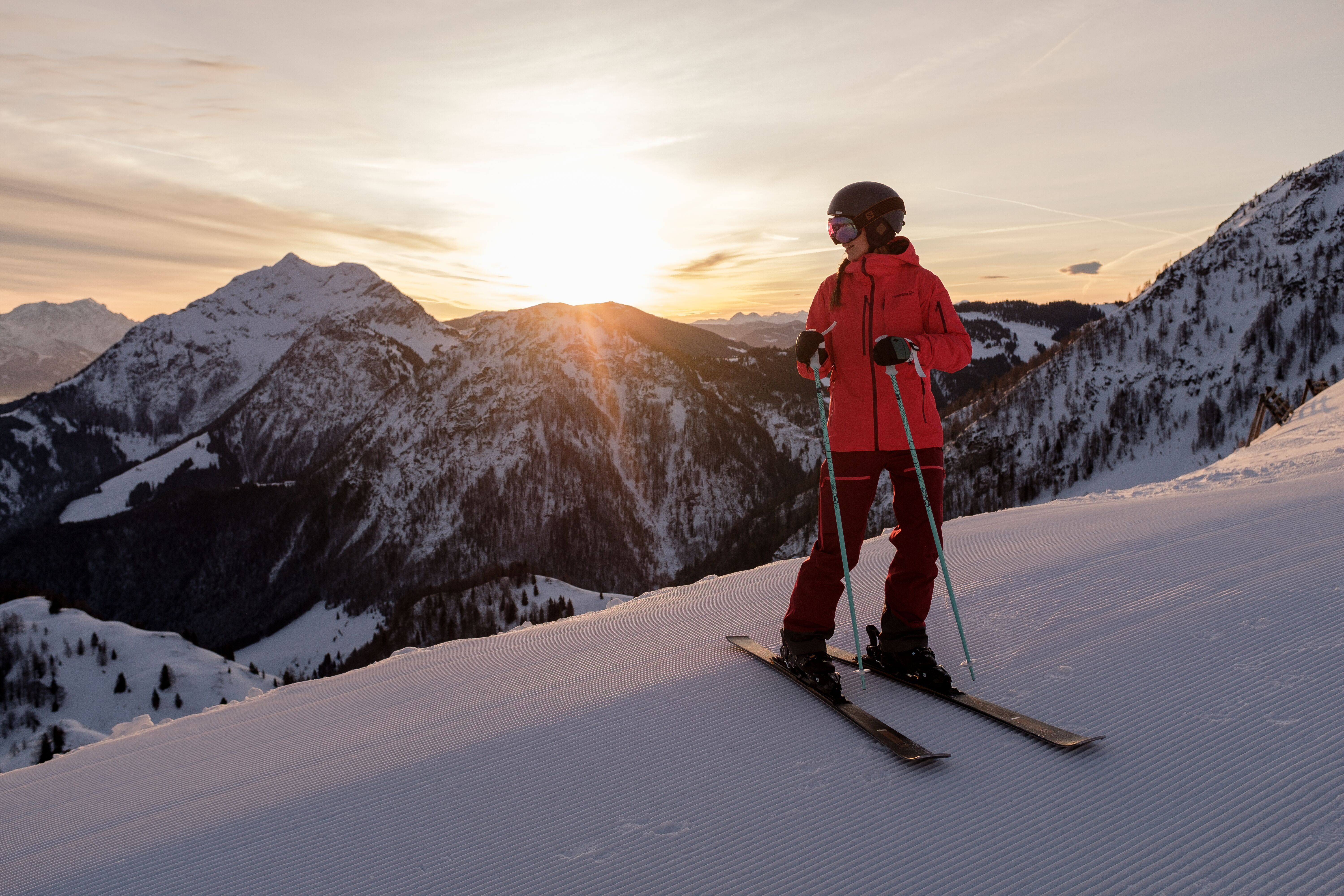
More and more ski resorts are offering so-called "Early Bird Packages". The lifts open at 7.30 a.m. and those who have made it out of bed are rewarded with perfectly groomed, untracked pistes. By the time the late risers hit the mountain at 9 a.m., the Early Birds have already made their first stop and fortified themselves with coffee and fresh rolls.
Towards the end of the ski season, you usually find fantastic conditions. It's already a little warmer, the days are getting longer and plenty of snow and numerous closing events ensure a good atmosphere. Despite all this, many pistes are empty, as guests and locals have already mentally prepared for spring. True winter sports enthusiasts still go skiing in April. In the Tyrolean glacier ski areas, the season even lasts well into spring.
Here are 12 reasons why we love spring skiing so much.