Good to know

Code of Conduct when out with your dog

The basic rule is:

“The owner of a dog must ensure that it does not endanger the life or health of people or animals, and does not cause a nuisance to people beyond what is reasonable.”

An overview of the key rules

  • Disposing of dog faeces

    Dog fouling must be collected and disposed of properly
  • Leash and muzzle requirements

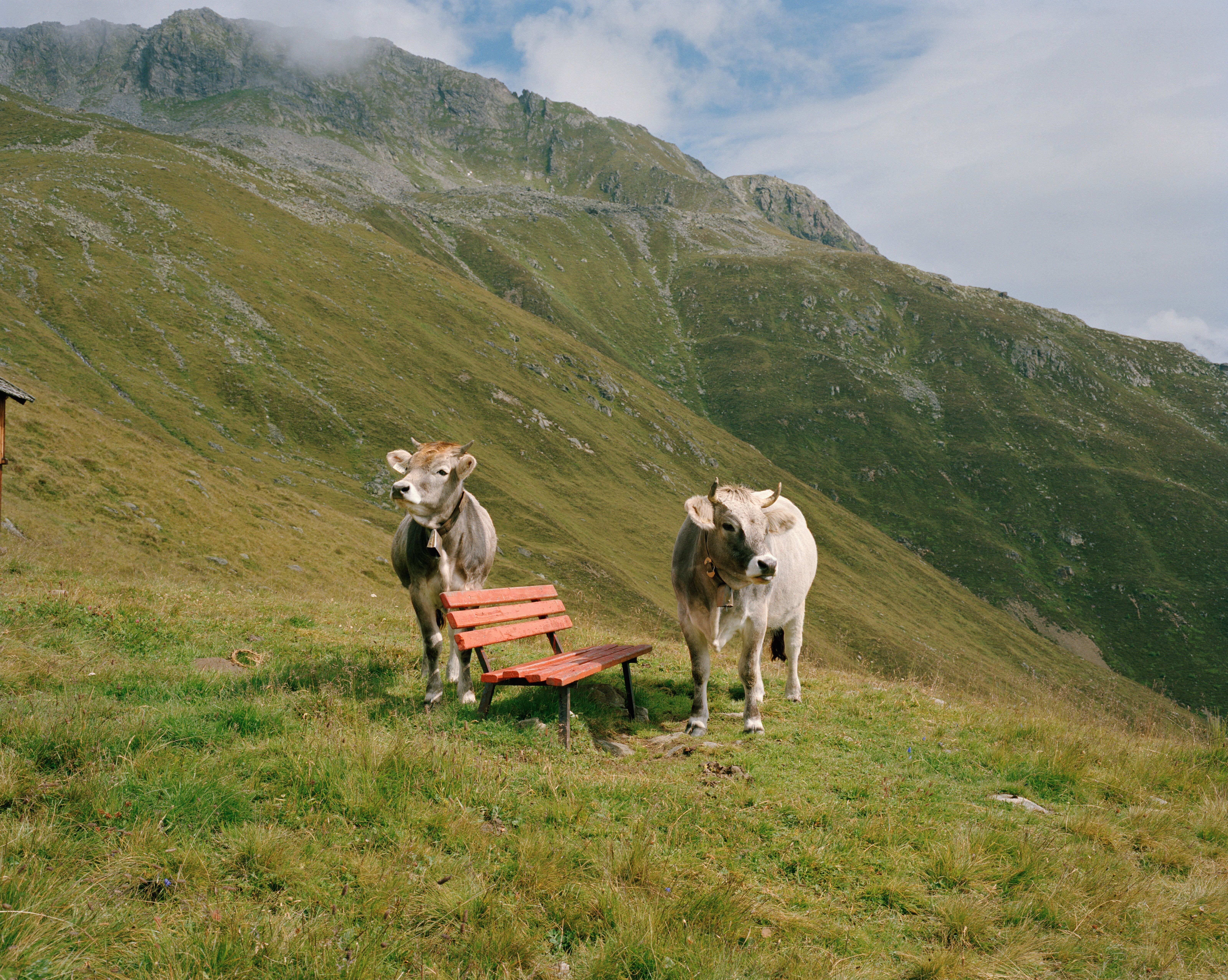
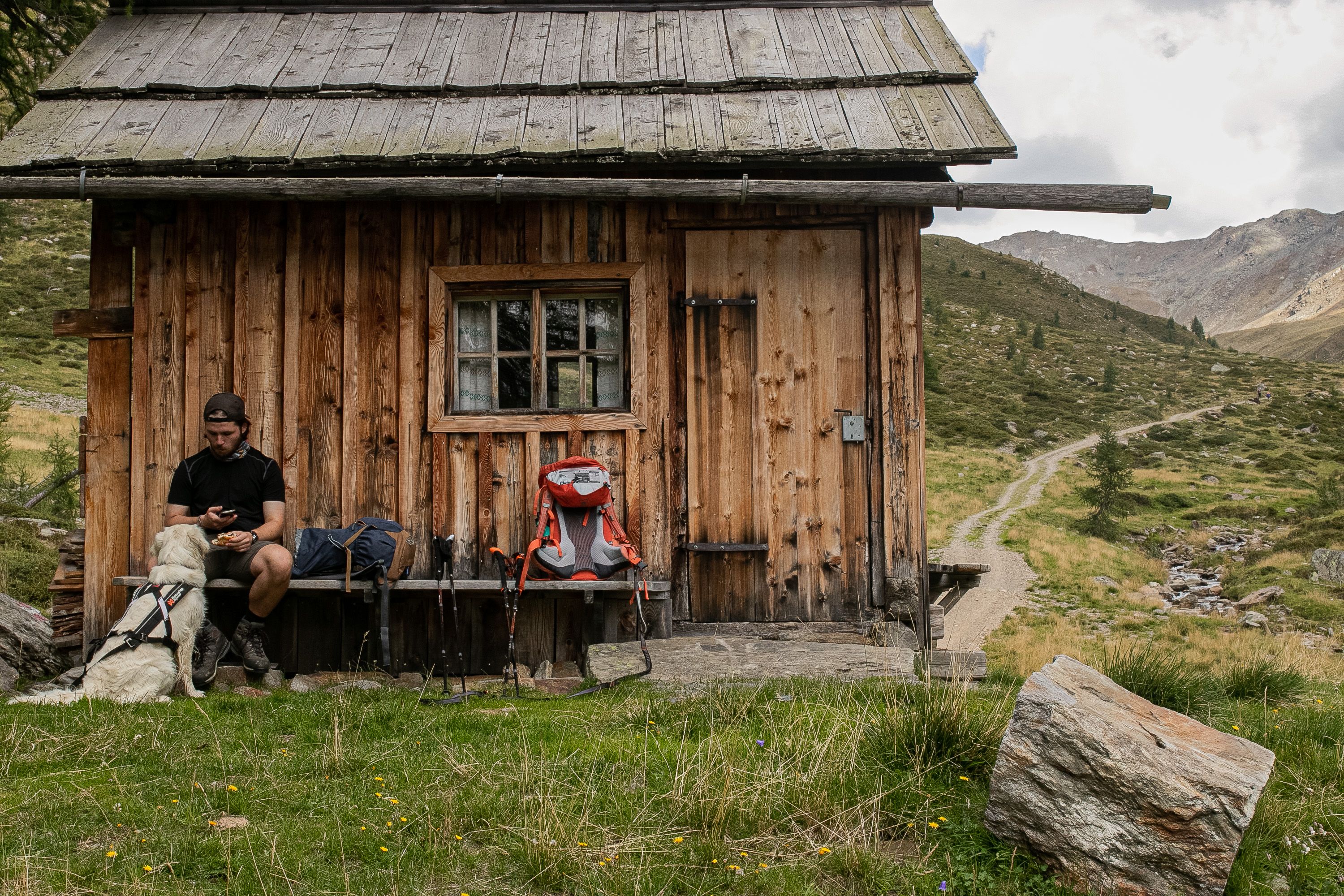
    When hiking in Tirol, the following applies: whilst there is no general requirement to keep dogs on a lead everywhere, your dog must be under control at all times. Dogs must be kept on a lead on Alpine Pastures and around grazing livestock, as well as in many nature reserves and wildlife areas and on busy Hiking Trails. Your dog must also wear a muzzle on all forms of public transport.

  • No dogs allowed in the water

    Swimming with dogs is only permitted to a limited extent in Tirol. There are specially designated dog-friendly swimming areas or dog beaches.

Rules for handling grazing animals

Austria's farmers make an important contribution to the preservation of our alpine landscape. We ask you as a visitor to respectfully adapt to this beautiful landscape.

Well, (H)und?

  • Here’s what shopkeepers have to say:

    Agricultural holdings use their land to produce high-quality food for the population and as a source of fodder for grazing animals. Contamination from dog faeces poses a hygiene problem and can pose health risks to both animals and humans. In particular, the parasite Neospora caninum can be transmitted to cattle via dog faeces, causing miscarriages or stillbirths. Certain pathogens found in dog faeces can also cause health problems in humans. Dog faeces are not fertiliser and do not belong on meadows or pastureland. Dog owners should therefore ensure that their dogs do not relieve themselves on agricultural land wherever possible. If this does happen, the faeces must always be removed completely.

  • Here’s what people looking for a break have to say:

    Dog poo on shoes, bicycles or other equipment is not only unpleasant, but also poses a hygiene problem. It is particularly annoying when dog poo is collected but then left lying in the countryside along with the plastic bag, thereby littering paths and the countryside. Dog owners are obliged to take dog poo away – whether in a bag or not – and dispose of it properly.

  • What children say:

    A large dog can quickly appear threatening to children, as they often perceive the situation quite differently from adults. Even friendly dogs can frighten children by barking suddenly or behaving boisterously. To avoid any potential misunderstandings or accidents, dogs should always be kept on a lead and under control when encountering children. This is a reliable way to prevent dangerous situations and ensure that everyone can coexist respectfully.

  • Here’s what hunters have to say:

    Dogs can pose a threat to wildlife in the woods, particularly if they startle or chase game. For this reason, dogs may only be walked in the woods away from publicly accessible paths with the landowner’s consent. This does not apply to service dogs, hunting dogs and assistance dogs whilst on duty.

Storytime

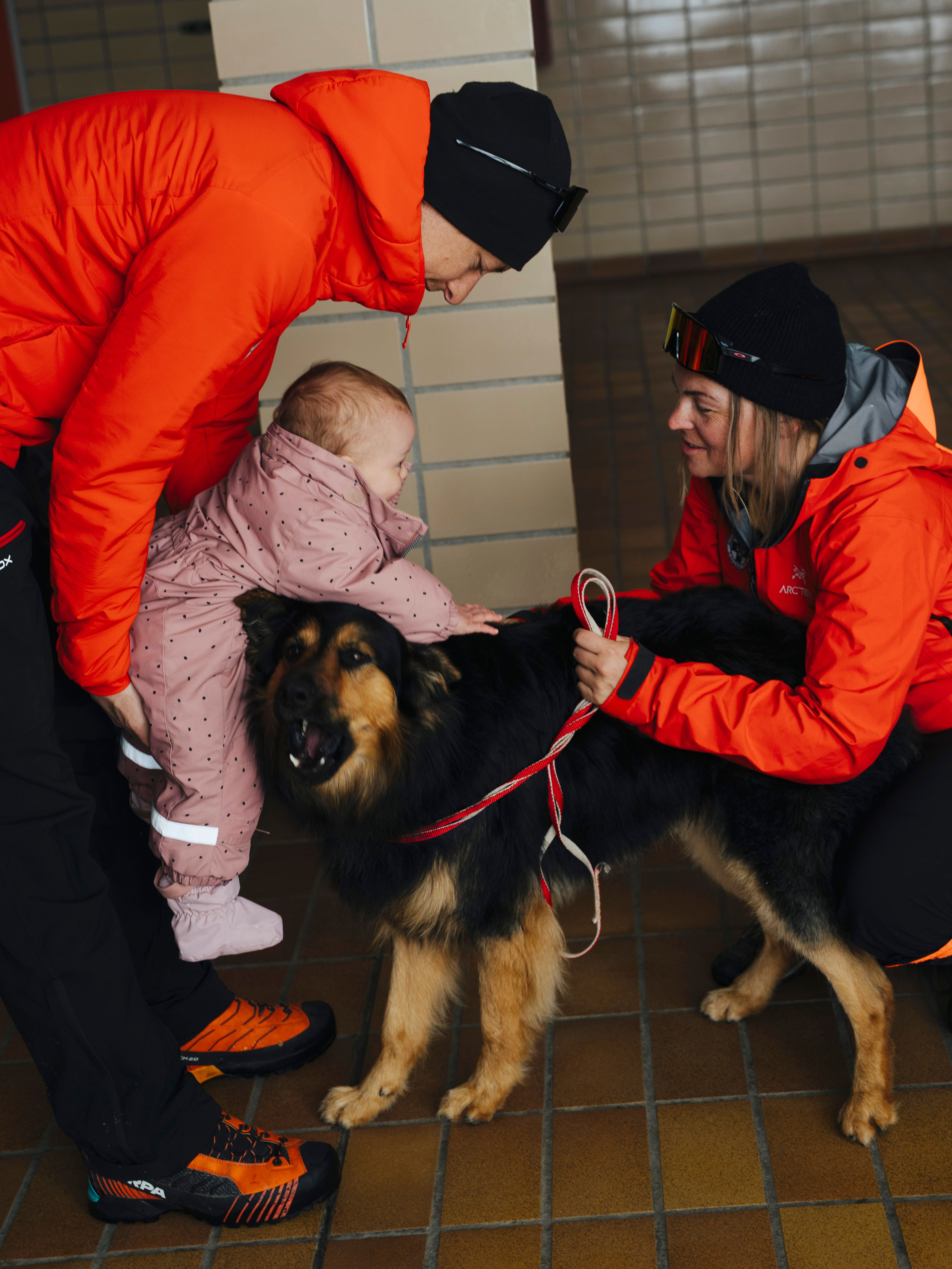
Avalanche dogs are lifesavers with a cuddle factor: they listen to the word, work in extreme conditions - and have to undergo rigorous training. We accompanied sniffer dog Jago and his owner Verena on their endurance test.

You might also be interested in:

Newsletter

The mountain is calling? So does our newsletter!

In our monthly newsletter we reveal the best holiday tips for Tyrol.